

What's in a name?
Choosing names for your characters is an important step in writing fiction

IN BRIEF:
I’ve returned to work. If you’ve been reading between the lines, you may have inferred that I’ve been sick for a while now. Slow return, but it’s started. You can read more here.
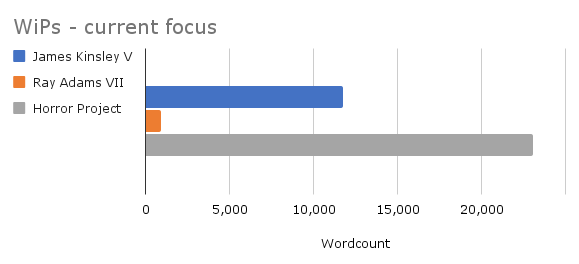
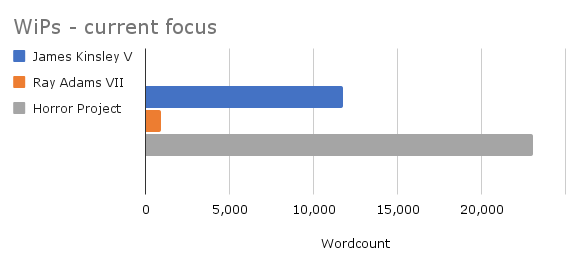
A successful couple of weeks on the writing front. My new horror project is going great guns.
ON WRITING:
Names are a fascinating thing. On the one hand, they can appear quite arbitrary, yet at the same time, as identifiers they become bound up in all our expectations and emotions towards people. As in real life, so in fiction.
At the point of first committing a name to paper for a character, it may seem there’s little in it, beyond liking the sound of it1. Yet, even more so than in real life, that name becomes your character. They have no physical presence, after all, and so their appearance in the narrative is heralded only by their name. All your readers’ feelings towards the character will be centered on the name you choose.

That doesn’t mean, of course, you can’t assign names on a whim, but be prepared. As the author, you’ll become as connected to the character via the name as the reader is. This is especially important if the character is a central one, and even more so if they go on to appear in several books. The last thing you want, while writing part XV of your epic saga, is to be constantly wishing you hadn’t called your hero Poopy Stainz just because you thought it was funny ten years ago.
Interestingly, having written a book, if you decide to change a name at the editing stage, it’s trickier than you might think. You may find that on an emotional level you’ve lived with it long enough that it’s become their “real name”, and changing it from Nigel Softly-Perkins to Steve Diamond may suit your vibe more, but it just feels false to change it2. More practically, you need to be careful when changing the text. Never Find + Replace All. It’s laborious, but ensure you go through each instance separately, as if you’ve decided you don’t like the name Ed, your text won’t make any sense if you’ve replacDan every instance of ‘e’ and ‘d’ that was in your book.
If you’re writing fantasy and science fiction, the minefield is even more extensive, as you’ve then the opportunity/expectation of just making up any old nonsense for your names. Then you find yourself with questions like, how many apostrophes can one alien’s name have3? Or, do all my dwarves have to be called stuff like Thorin Hammerface and Lovegold Axeforger?

Names can, however, also give us clues to identity4. As a white man, I want to embrace diverse representation in my books, but I don’t want to take the default-white-author approach of whanging on about “chocolate-coloured skin” or - shudders - “almond-shaped eyes”. We’ve all read books by white authors where white skin is the default and therefore any character of colour is reduced, description-wise, to their skin colour or other racial traits. However it’s possible to place a character, or point to their heritage, by choosing the right name. It won’t, of course, by itself give them a full identity (that’s what your writing’s for) but if it’s not plot-centric and you just want to sow the seed in your reader’s mind that your cast of characters is a diverse one, names are a tool5.
You also need to bear in mind how often you’re using certain names. I got a shock when our proofreader for It’s Hard to Tell You This came back and pointed out that this was the second of my books in a row where an older brother to a main character was called Keith. I’d no idea I’d reused the name6. Now, admittedly, it didn’t matter, per se. But for the reader, it is a potential issue, something that might jar them out of the one book if they’d recently read the other. In this instance, it wouldn’t have caused actual confusion, but that is also a possibility if you’re writing in the same world.
That’s one of the reasons why we tend not to see names repeated within the same book. At one point in high school, I was in a class with three other James’. However, unless it’s an actual plot point, you tend not to get that in fiction. Likewise, you’d probably be driven borderline insane if you tried to write something with a Steven and a Stephen, and had to keep that straight all the way through. In being handles for our readers to grasp our characters, we want them to be easy to grasp, but always consider the potential reasons for not doing so, too.
Multiple names for one character need thinking about as well. Whether it’s nicknames, or some people calling them by their first name and some by their surname, you need to ensure you tie those names together early doors, so readers associate them with the same character - I get so lost with some Russian novels, given their specific range of naming conventions. But that association needs to be formed organically, not as a mini-infodump at the character’s first appearance.
A lot to think about then and, as always with me, not a lot of actual answers. I’m still thinking this stuff through for myself, so feel free to share your thoughts.
I have enjoyed:
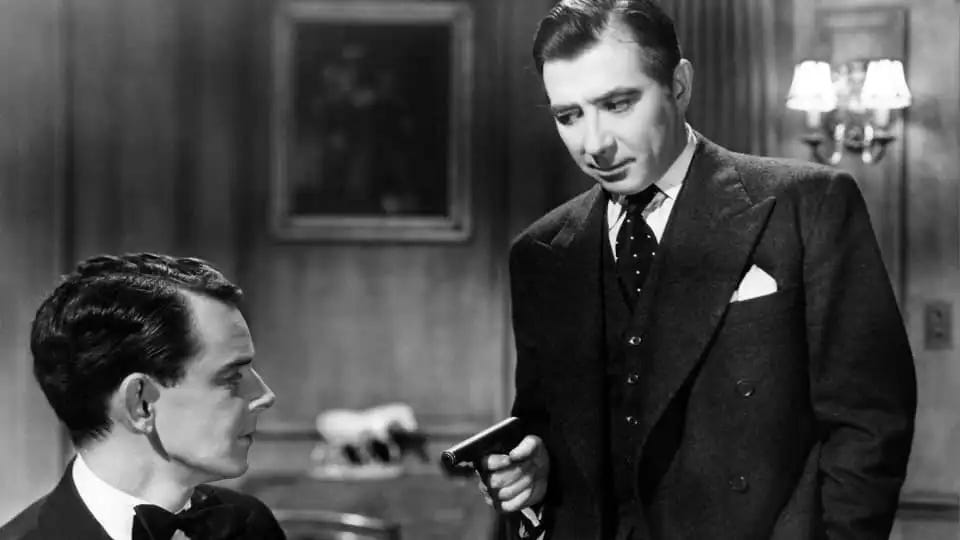
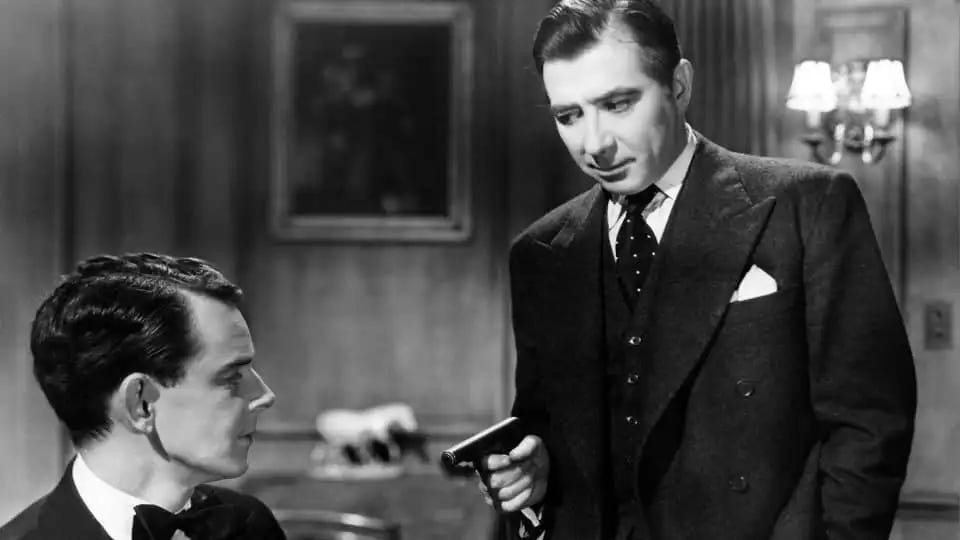
Obsession - Robert Newton stars in this 1949 movie as a psychiatrist who plots to kill his wife’s lover. Crediting himself with the perfect plan, he kidnaps the other man (played by Star Wars’ original Uncle Owen Phil Brown) and imprisons him in a secret room for several months, figuring that either (i) the police will solve the disappearance, at which point he can hand over the man without having committed the murder or (ii) they won’t, in which case he can then kill him at his leisure and dissolve the body in acid. Best laid plans…
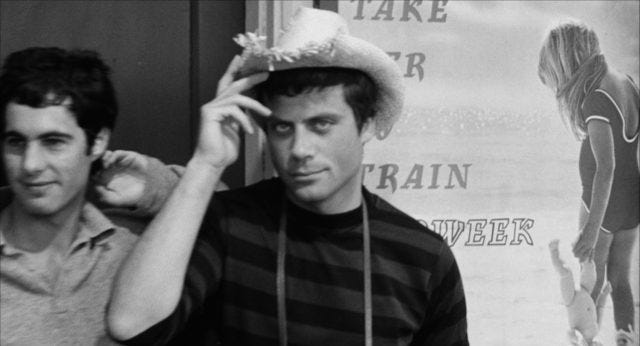
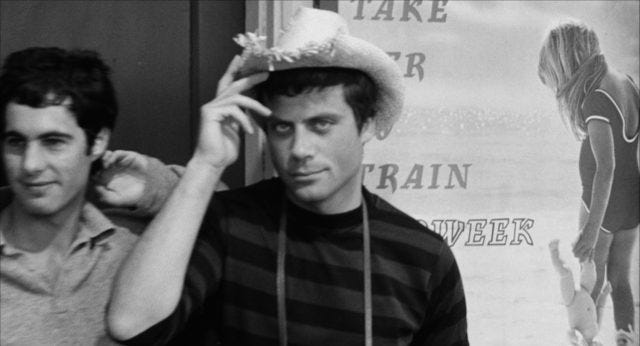
“Ah, so you’re not pleased to see me after all…” The System - In a seaside village, local lads set out to seduce the annual influx of innocent tourists in this 1964 movie. However, what starts out as hijinks morphs into something deeper when questions about who’s exploiting who arise, not to mention the necessity of a tourist town trying to maximise its summer income so they can eat over winter. These layers are given extra gravitas by a troubled, nuanced performance from a young Oliver Reed, and sensitive direction from an unlikely Michael Winner.
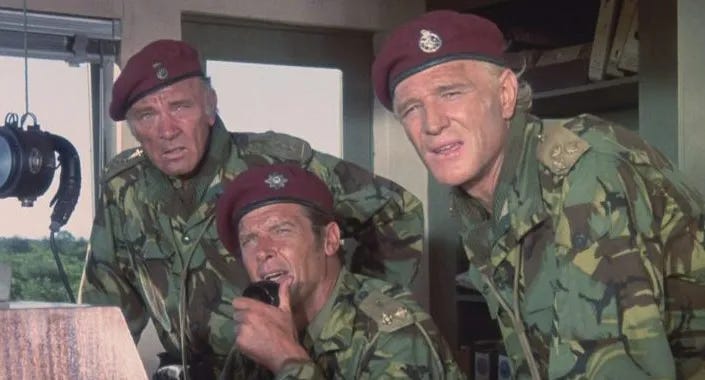
I mean, gosh, he was a handsome boy. The Wild Geese - I have something of an emotional connection with this film, despite never having seen it before, as it was, along with Jaws, one of those first gritty adult novels I read at a too-young age. Richards Burton & Harris and Roger Moore lead a pack of mercenaries on a mission to rescue a deposed African leader, only to be sold out by their benefactors. Abandoned, the troop decide to try and get the man out anyway and set out across hostile territory. The story’s based on rumours that a plane that landed in Rhodesia in 1968 was carrying mercenaries and a dying Moïse Tshombe. The novel and the film play the mercenary angle credibly straight, all ex-soldiers, well-trained and well-disciplined, rather than the A-Team-style macho nonsense you’d probably get today. Kudos too, for Hardy Krüger and Winston Ntshona as Boer mercenary Coetzee and the rescued President Limbani. The scenes where Limbani manages to bring the sceptical and prejudiced Coetzee around to the idea that the future of Africa relies on Whites and Blacks coming together are some of the film’s strongest moments. The whole thing’s a lot more sober and serious than the premise suggests, though if you like fights and that, it delivers on that score too.
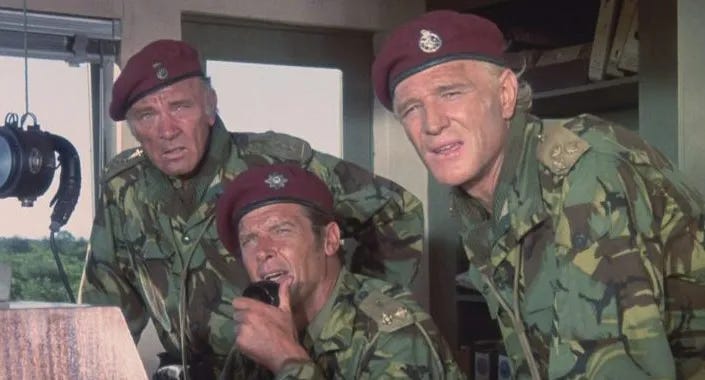
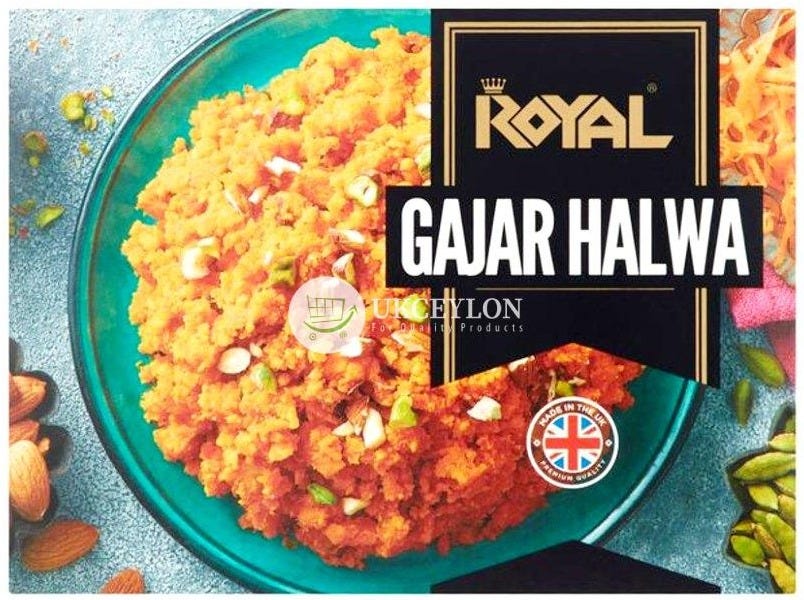
Jeebers, I’m older than Richard Harris is in this picture. Not happy. Gajar Halwa - Bought some of this on a whim in Sainsburys, having been curious for some time. I cannot even tell you how good this is. It’s ASTONISHINGLY GOOD. I’m available if Royal are looking for a spokesperson.
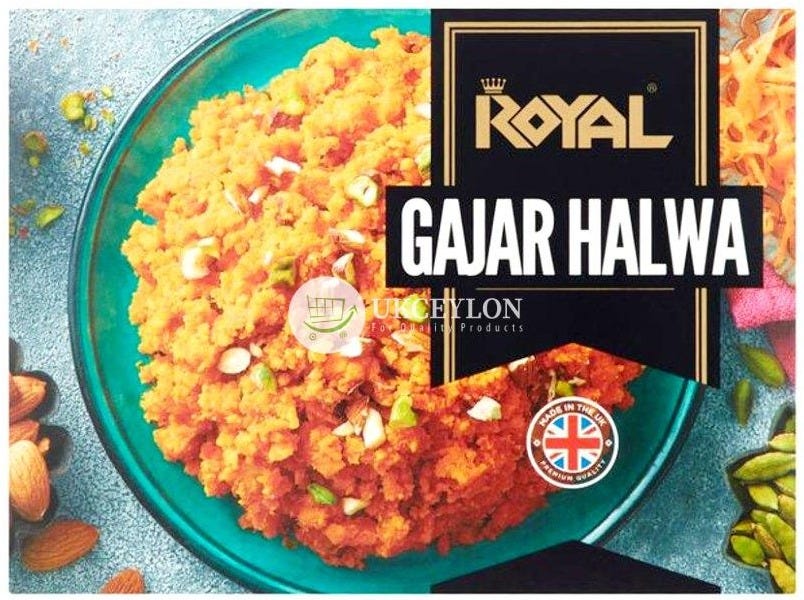
Epic noms.
You can buy It’s Hard to Tell You This, Parallels, and Greyskin directly from Deixis Press. Playtime’s Over is published by Propolis. All should also be available from all the usual places, online and off.
Ray Adams’ self-published books are available from Amazon, until I get around to finding a more ethical alternative, or out of my garage.
I also review books on my website, most of which are available through my affiliate book shop on uk.bookshop.org - it’s a great alternative to certain online leviathans owned by Trump-supporting billionaires, and supports independent bookshops. Affiliates also get a % of books sold through them, so if you buy something from them, I gets paid...
Unless you’re Charles Dickens and you like to call your characters stuff like Thief McSteal and Lord Despicable Factory-Owner.
Although, you know, get over it. They’re made up people.
My first sci-fi novella The Forcek Assignment has a character with an apostrophe in his name and five years on I still feel dirty.
No, Dickens, sit back down.
I’ll be honest, this whole paragraph has made me itchy. Does it sound like tokenism, or appropriation, or just insensitive? I don’t know. I hope my intention is clear, however.
My current WiP also has a Keith. I’ve no idea why I keep using it.
Step away from the Keith. Other names are available!
Your talking about name made me think of Sheridan's "A school for scandal" where characters have interesting names, like Mrs Sneerwell.