

Never Explain! Never Apologise!
I'm sorry, I probably didn't make that clear, what I mean is...

IN BRIEF:
I had hoped this would be my launch email for A Sound Inhuman, the forthcoming Ray Adams title, but the second proof copy isn’t arriving until Monday and this time I’m determined to be patient.
There is no 2.
ON WRITING:
I have, not a recurring dream, but a recurring element in some of my dreams…

It often revolves around not being able to text properly. I’m in a situation where I’m in a hurry to text or post something and I keep mistyping words on my phone, getting stuck in a loop of typing and deleting and never being able to finish the text/post.
Believe it or not, I’ve never realised what was going on.
Partly, to be fair, because I don’t expend a lot of energy on trying to interpret my dreams. They’re dreams, right? Who cares? But the other night I had a dream where it was my own handwriting that was letting me down. I was trying to leave a note for my mum to explain why I was going out at 11pm at night, and I repeatedly struggled to write anything legible.
I kinda get itchy around grand labels around writing. I don’t even like using the word author; it sounds a bit… fancy. I’m a writer. I write things. But as a writer, like it or not, I’m also, wait for it, a Communicator of Ideas1. I have things in my head which I write down because I want to share with other people what I’m thinking. Which is an odd activity for someone with a chronic fear of being misunderstood to take up.
That’s what’s behind the dreams, right? A constant fear of not being able to effectively communicate what I want to say?
It goes back, way back. I think some of my social anxiety and introversion comes from not wanting to speak up, through fear of people not getting what I’m trying to say. Fear of accidentally saying the wrong thing. Calling the teacher ‘mum’ instead of ‘miss’. Fear of being laughed at because people think I’m saying something that, actually, I wasn’t trying to say at all.
So maybe writing’s not such a weird activity to take up. I was writing blogs years before I got anywhere writing books. I’ve written extensively about my mental health and people close to me would sometimes find it infuriating that I could write down (and post to the world) things that I struggled to say in person to them. But I think for me the act of writing both gave a distance to the words, between the words and me, and an opportunity to refine and correct. Rather than starting off talking and stumbling over my words, correcting myself, retracting and spilling out a confused mess, I could instead present the finished thought in as articulate (and double-checked) a way as possible, with the hope of ensuring clarity.
Doesn’t always work, though. If you write, no matter how much you refine, rework and edit your ideas, they always run the risk of being misunderstood. Sometimes the misunderstanding is on the reader, and so it’s easy to get defensive and irate about it, to want to come out swinging and say “Of course that’s not what I meant, idiot, I was saying…” But Damien Hirst doesn’t get to stand in the gallery ensuring every visitor is interpreting his work ‘correctly’. Peter Andre doesn’t stop mid-concert to clarify the manner in which this girl could be said to be ‘mysterious’2. And authors who spend time years after publication adding non-canonical biographies to their characters to add new layers of meaning or tidy up old misunderstandings look like idiots.

All art is interpretive and subjective. You can never say to someone else “Your interpretation is Wrong,” not even if you’re the artist3. You can only ever say, “That was not my intention.”
Unless you believe in your own infallibility, you have to accept the possibility that you just weren’t as clear as you thought you were. As we were saying last time about proof-reading, you have the luxury of knowing what was in your head when you were writing it. You know what you intended, so it’s easy to read it back to yourself and interpret it correctly, and from there convince yourself that it’s unambiguous. Your brain will always subconsciously fill in the gaps. But you’re still looking at it through your own eyes. You need to look at it through someone else’s.
This is not, however, about how to get it right4. It’s about what to do when you’ve possibly got it wrong. My opinion - and let’s be clear5, it is just an opinion - is that you could spend a lifetime firefighting the past, but what’s important is the future. That’s the only bit you can control. Be it book, blog or Facebook post, once you put it out there, it kinda has to stand on its own two feet. If you’re not happy for it to do so, then maybe the answer is not to publish in the first place.
Once you have hit ‘send’, and readers’ interpretations suddenly diverge wildly from your intent, you shouldn’t get defensive. Consider whether it’s really appropriate, or necessary, to respond at all. If you’re confident your intention was clear and it’s just a handful of people who’ve misread it, what’s the point in a prolonged intercourse with them? If you’ve realised that maybe it wasn’t clear, how much good will it do to start over-explaining and apologising6? Will you be able to successfully articulate it at the second attempt or do you run the risk of making things worse? Are your critics the sort of people who will be interested in your explanation or, having had their moment, will they have already moved on? And if they’re genuinely upset by something, will defending yourself just upset them further?
Perhaps the thing to do would just be to step back and consider how you avoid the same pitfall next time out. After all, you don’t really believe you’re infallible as a writer, do you? Once you’ve finished with one book and start writing the next, you want it to be better, don’t you? You want to be always improving your craft, honing your skills. There’s always room for improvement.
It’s perfectly possible they have just read it wrongly. Maybe they had a kneejerk reaction to one part and it led them down a false path. But maybe that one part wasn’t as clear as you thought it was, because on rereading it was impossible for you to look at it without all your internal knowledge of what you intended by it. And this not to say that there aren’t times when you have to, or should, stick up for what you meant, or clarify it, but sometimes the best thing to do is to sit back, really try and understand what happened, and do different next time.
I have enjoyed:
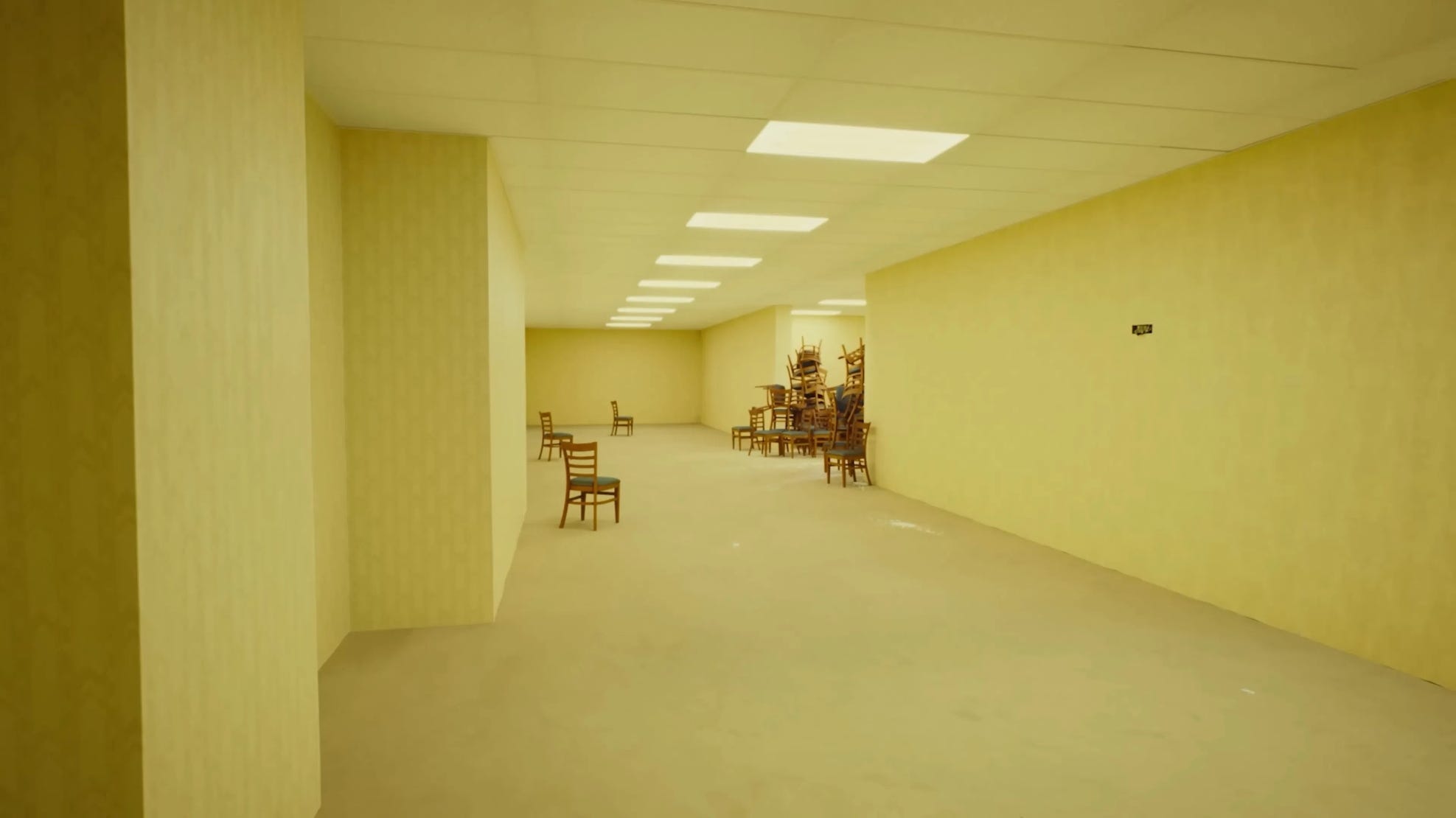
Back Rooms - In which Chiwetel Ejiofor plays an everyday schlub (has he ever played a more normal guy??) who owns a discount furniture warehouse that hides a dark secret. I went into this having pretty much no idea what it was about and it Blew. My. Mind. I strongly recommend you do the same. Also how are both Ejiofor and Mark Duplass younger than me?? They’re grown-ups!! What the heck?
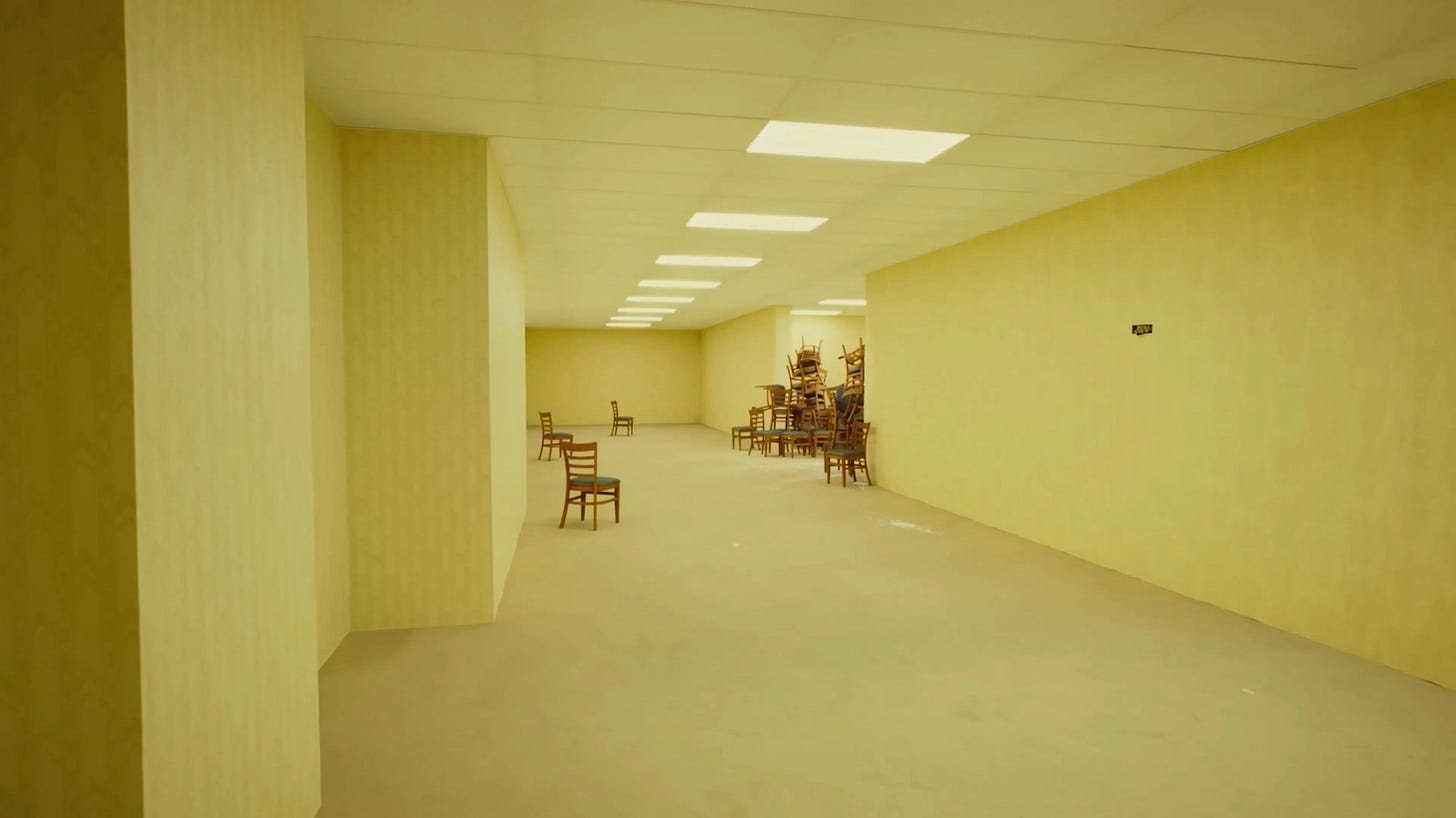
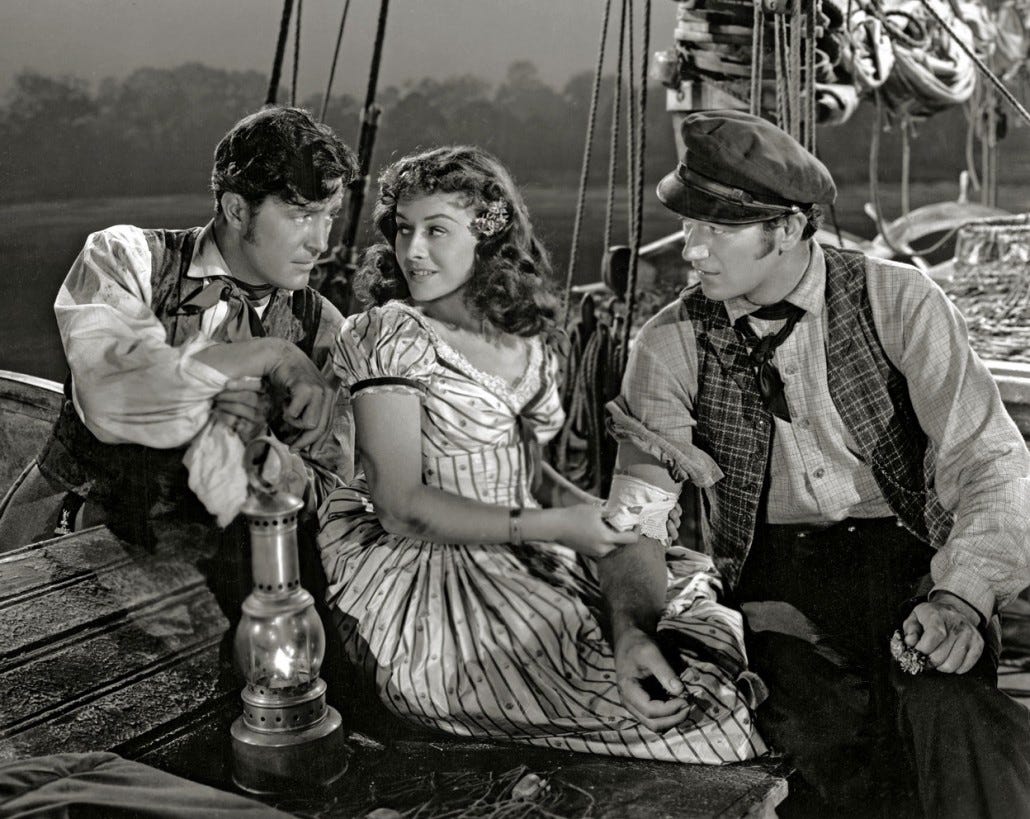
It don’t look much, but I promise you, this could give you nightmares. Reap the Wild Wind - Ray Milland, again channelling his inner Jimmy Stewart, and John Wayne in what I want to say is an early appearance, but heck, he’d already made nearly a hundred movies in his sixteen-year old career by this point, star in this 1942 movie set 100 years earlier in the Florida keys. Against a background of cut-throats and shipwreckers, Wayne plays the rugged captain who charms a young Paulette Goddard and Milland the poncey rich boy who decides to try and marry the girl himself. Cecil B. DeMille directs it for all he’s worth, and at the end there’s a punch up with a giant squid. Forget George Stevens’ 1965 classic, this might just be the greatest story ever told.
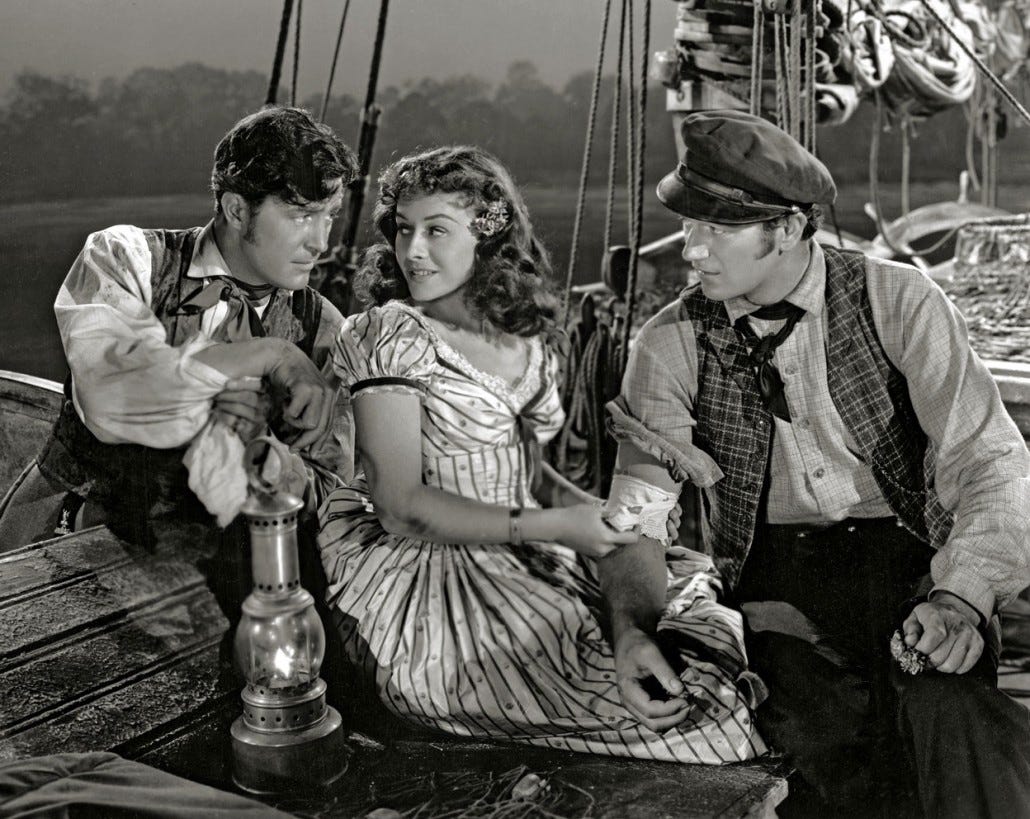
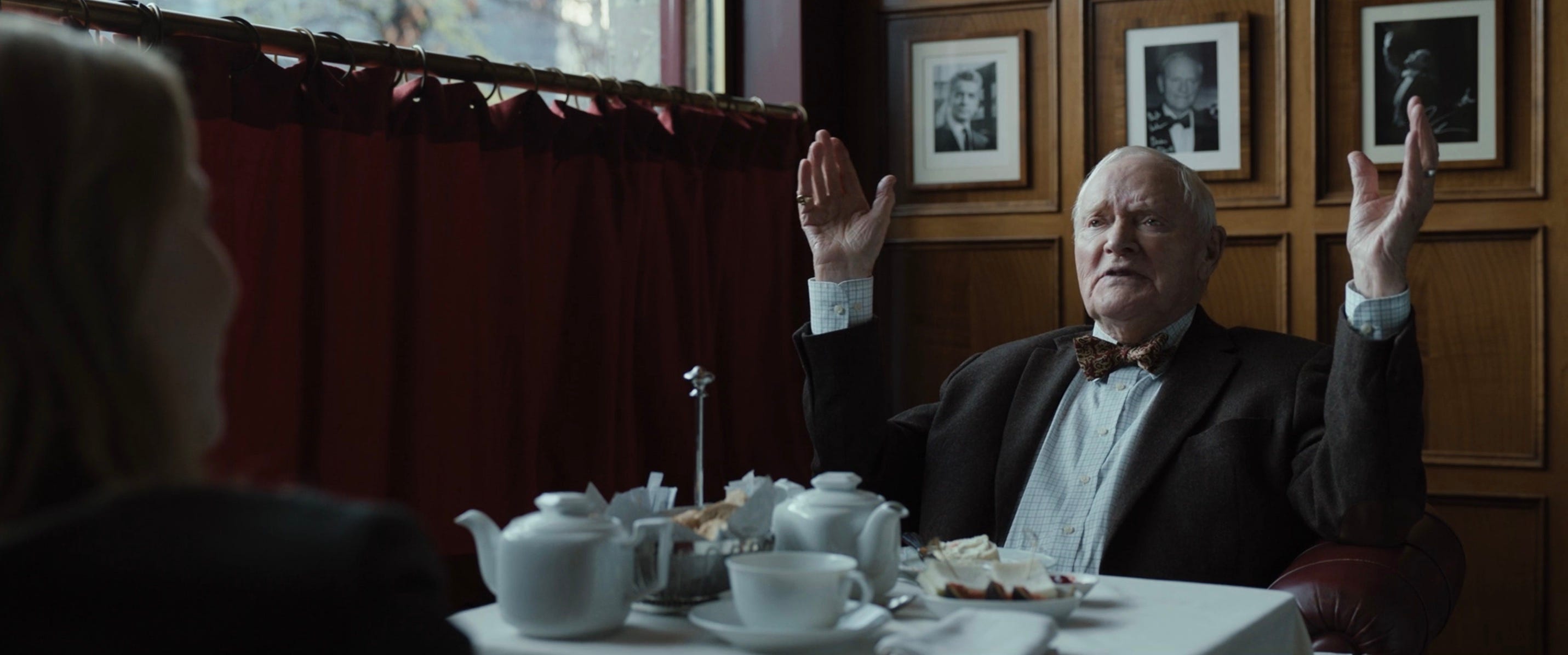
“Get off your boat and drink your milk.” Tár - Cate Blanchett missed out on an Oscar for her performance in this epic tale of a conductor’s7 past coming back to haunt her. She lost out to Michelle Yeoh for Everything Everywhere All At Once, and while I’m not saying Yeoh didn’t deserve it, I’d at least want to consult VAR. Blanchett is immense, and Lydia Tár is one of those dream roles where an actor can totally immerse themselves in a character that is a three-dimensional, well-written, complex and nuanced yet utterly terrible human being. And the ending is ASTONISHING.
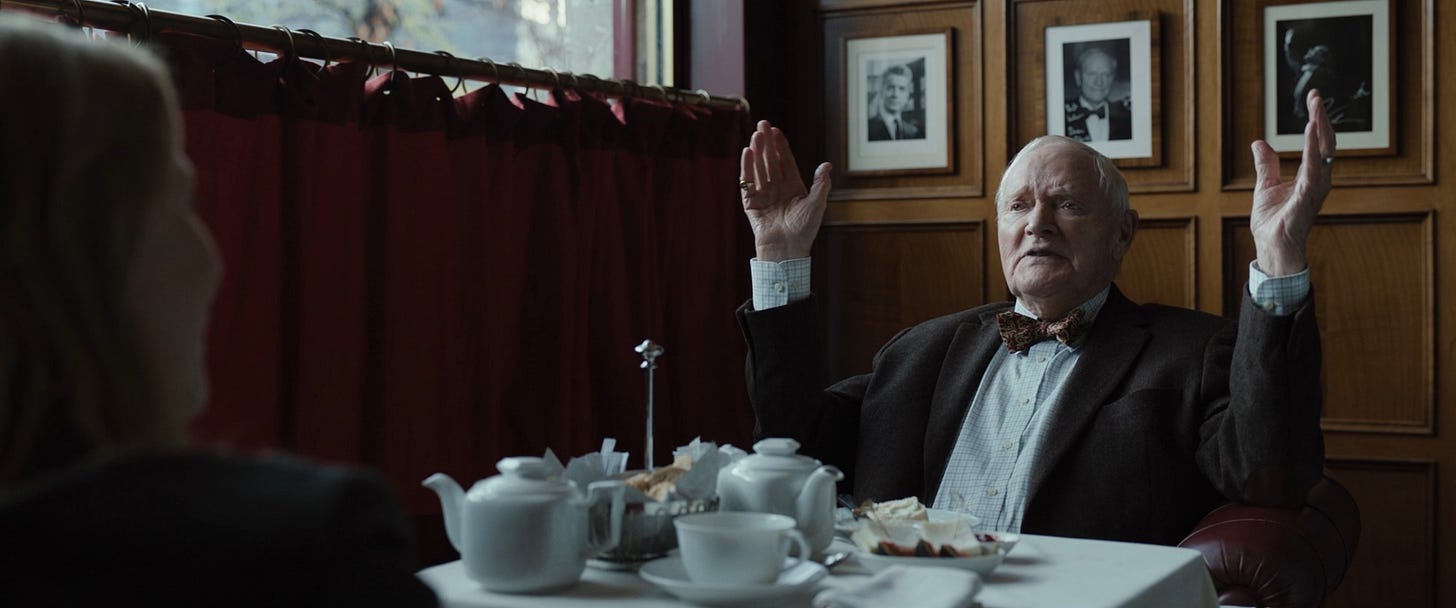
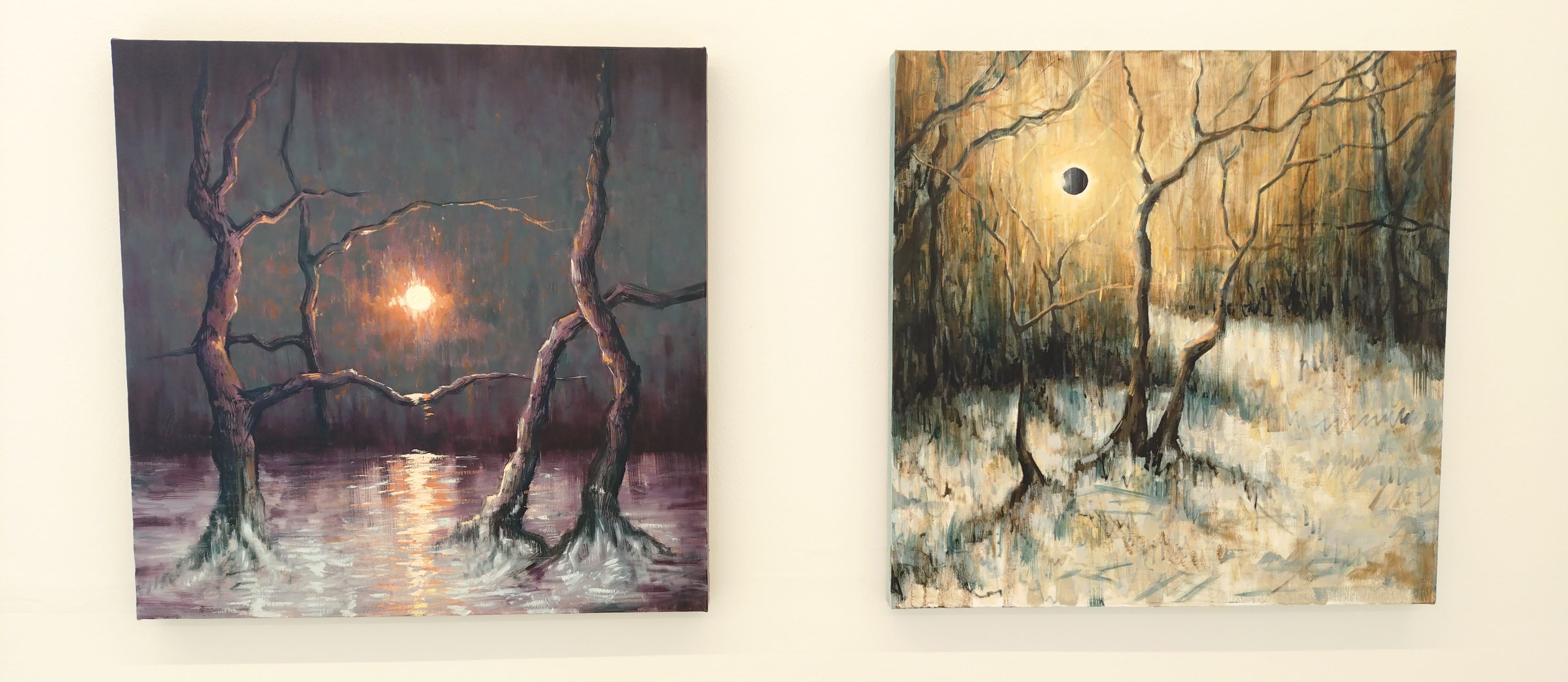
“… Then I told Vader it was all Admiral Ozzel’s idea and he force-choked him right on the spot! How we laughed!” NUA GradFest 2026 - Running until 25 June, Norwich University of the Arts’ graduating class of ‘26 present their end-of-year show at NUA locations across the city. Fine arts, decorative arts, design, photography, fashion… You name it. Well worth a look.
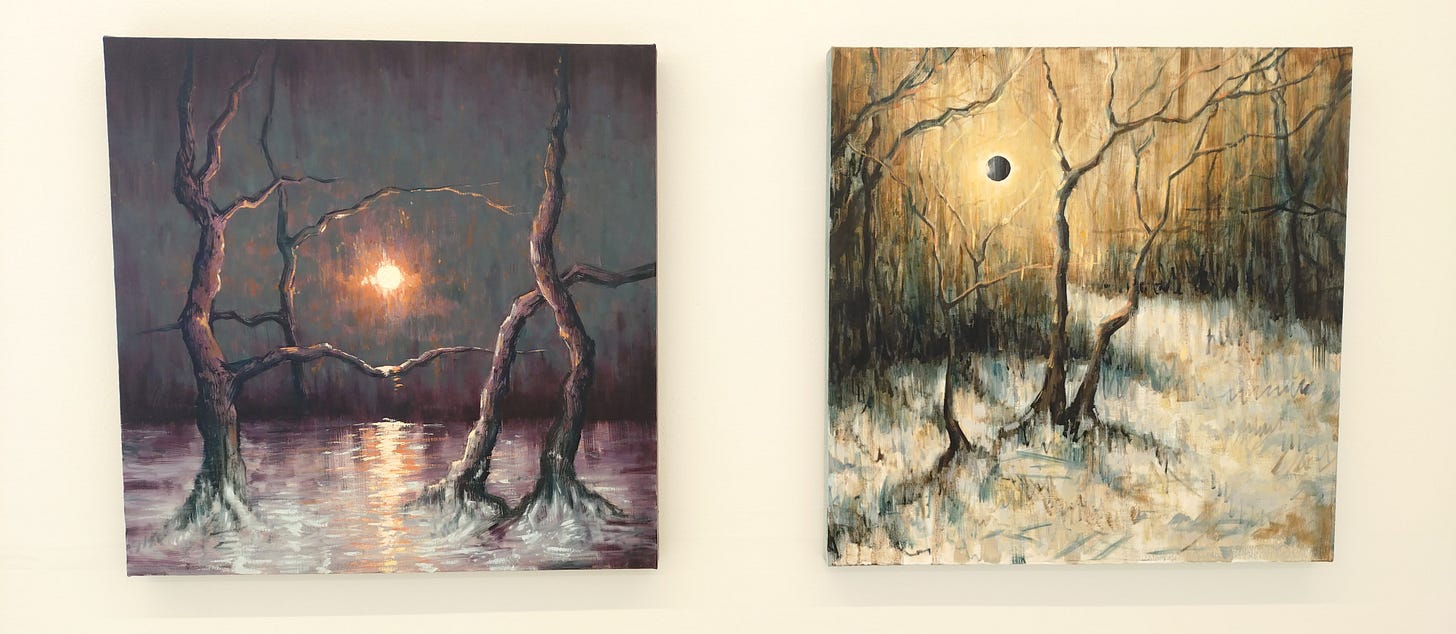
I should probably have made a note of who made these. V cool, though.
You can buy It’s Hard to Tell You This, Parallels, and Greyskin directly from Deixis Press. Playtime’s Over is published by Propolis. All should also be available from all the usual places, online and off.
Ray Adams’ self-published books are available from Amazon, until I get around to finding a more ethical alternative, or out of my garage.
I also review books on my website, most of which are available through my affiliate book shop on uk.bookshop.org - it’s a great alternative to certain online leviathans owned by Trump-supporting billionaires, and supports independent bookshops. Affiliates also get a % of books sold through them, so if you buy something from them, I gets paid...
Ugh.
I accept he might actually say it in the lyrics, I’ve never really listened to them.
Perhaps the most contentious point. I imagine a lot of creators may dispute this.
Spoilers. You probably won’t ever get it right.
lol
Obviously the manner of misunderstanding is significant. There may be some errors it’s more important to clear up than others.
Orchestra, not Bus.
Some interesting thoughts on, amongst other things, the pursuit of perfectionism and when it is and isn't helpful or possible to achieve given all the variables at play.
And I particularly enjoyed some of your images captions this edition 😆
I completely relate to reconciling the idea of being a Communicator of ideas (i.e. a writer) and the fear of being misunderstood. I just hope to have the chance to clarify my thoughts. But I agree with no apologising.