

Proof Reading
And maybe a sneaky cover reveal too...
IN BRIEF:
Have read the first of the books for the award I’m on the jury for, and am currently reading one that I’m being paid to review. Reading’s a job, right?
Attended a Society of Authors social recently and felt decidedly out of place talking to people about their deals, film deals, tv adaptations, agents and all that shenanigans, not to mention meeting the author of Elizabeth is Missing, and chatting to them like I’m somehow their peer.
ON WRITING:
I have never proof-read one of my own books before.
Which is not to say, of course, that they aren’t proofread. Obviously my trad-published stuff has had publishers to do that sort of thing for me, but even my self-published stuff has, to date, always been through the hands of my wife who, while not a professional proofreader, is a comms & marketing person by trade with a solid eye for detail who uses many of the relevant skills in her day job.
She has been, alas, too snowed under with work and Life for the past year to give the next self-pub title her usual exemplary treatment, so I decided, in lieu of having the funds to pay for a professional to do it, that I better buckle up and do it myself.

I’ll warn you now, what follows will strike most, if not all, of you as really obvious. But this newsletter is about my process and it sometimes help to see that even those of us who’ve been kicking around this planet for a while now still don’t really know what they’re doing.
It is, of course, more difficult to proof your own work than someone else’s. Your brain knows what should be there, so is far more likely to overlook it when it’s missing. You’re literally subconsciously filling in the blanks as you go along. Spellchecking is all well and good, and will pick up not just spelling but missing words, or extra words too… but not 100% of the time.
I’ve tried tricks in the past such as reading the book, paragraph by paragraph, in reverse. What you’re trying to achieve is, in a narrative sense, divorcing the text from its meaning; judging each sentence on its own worth.
Of course, the more words and terms you’ve made up for your novel, the more careful you have to be. Sci-fi has its own challenges in terms of this and one of the things my wife’s underlined for me is the importance of consistency with things like hyphenation of your made-up terminology; whether it’s a pulse rifle or a pulse-rifle, for example, and ensuring things like that are the same all the way through. And don’t get me started on all those exotic funky space-names you made up.
One thing I worked at with this attempt at proofing is ‘sounding out the words in my head’. So not just reading like I normally read, but emphasising each word (internally) as I go along. Making sure that I’m reading what’s on the page, not what my brain assumes is on the page.
The other trick I’ve thought of is actually getting a proof copy in advance, so I can do a second proof with a hard copy. Again, it’s just presenting the text to my brain in a way that’s different to how I’ve been used to seeing it. I’ve got proof copies before, but normally to check things like the cover and how it looks, not actually proofing it. I mean, it’s almost like that’s why they’re called ‘proof’ copies 🙄


Hopefully this will let me pick up any outstanding errors, and then we can get this long overdue title out there!
I have enjoyed:
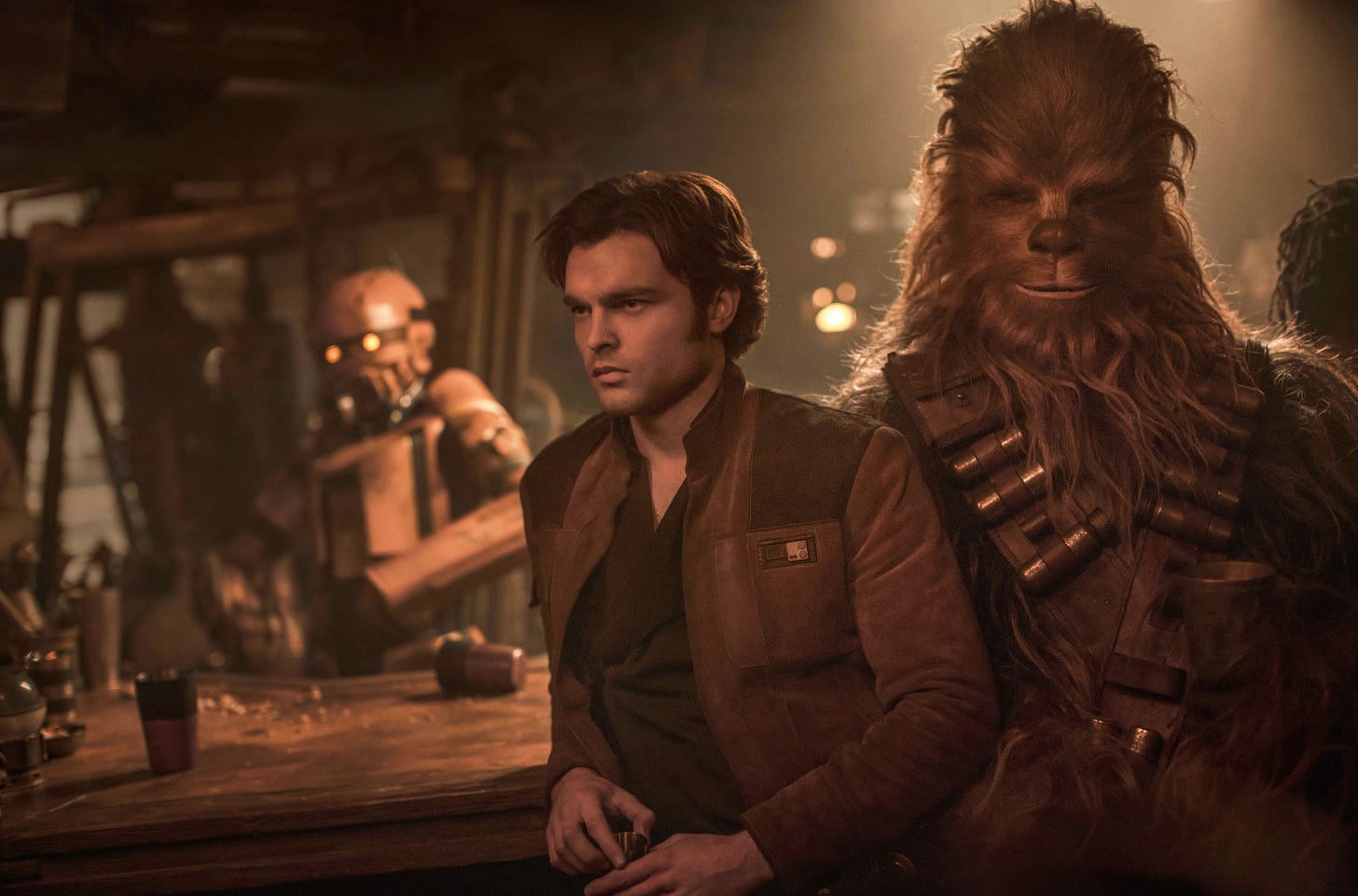
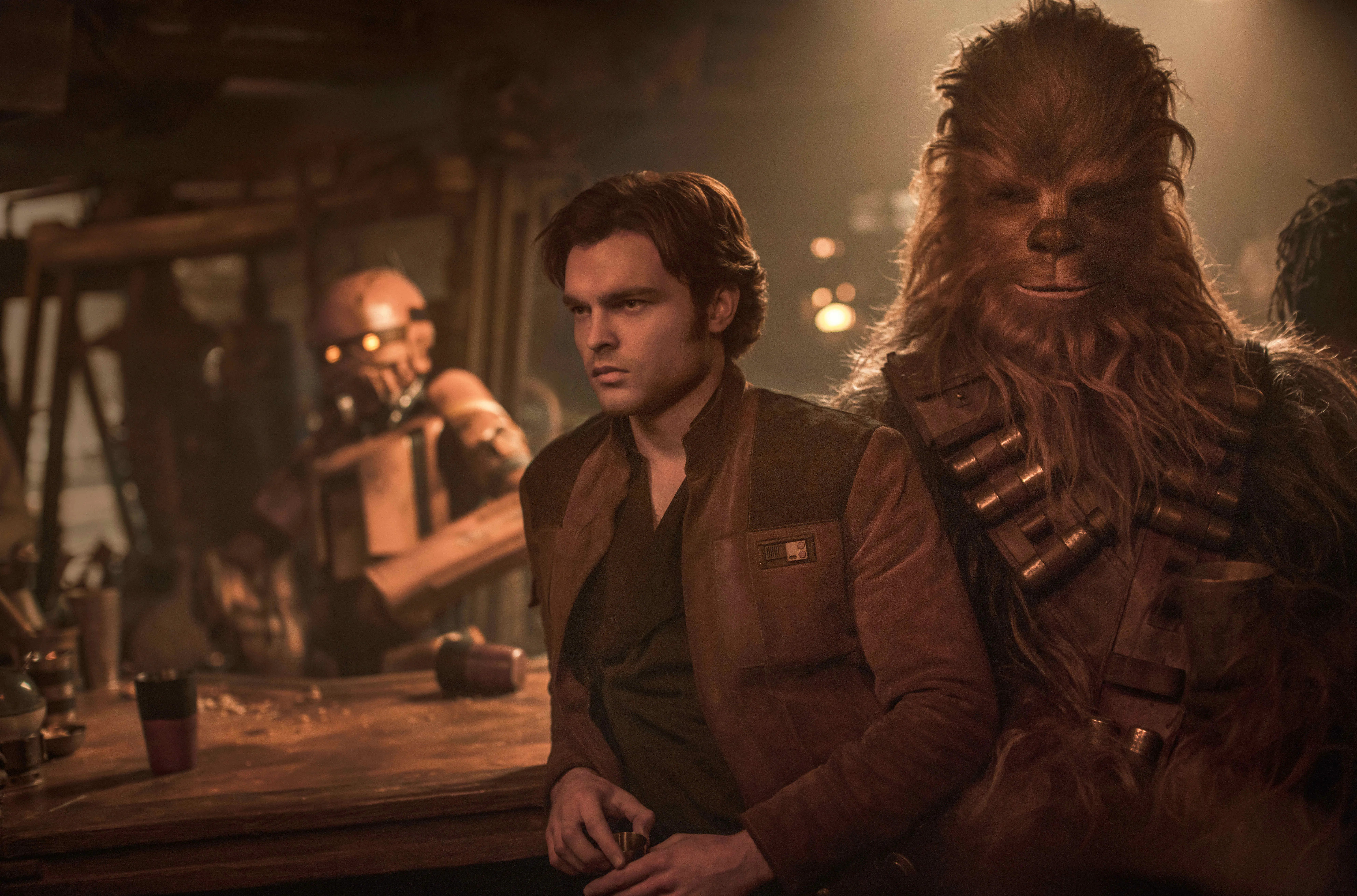
Star Wars - In anticipation of seeing The Mandalorian and Grogu1 this past week, I decided to watch Return of the Jedi last weekend, and was still feeling Star Wars-y afterwards, so the night after going to the cinema I rewatched Solo: A Star Wars Story. It’s an interesting experience, watching classic and new SW in close proximity. Both Mando and Solo are actually a lot of fun and Solo certainly never came close to deserving the kicking the fanboys gave it. Whether it was the mood I was in, I don’t know, but of the three, I enjoyed watching Solo the most. To this day, I can’t imagine what people’s problem with it was. It’s true what they say, nobody hates Star Wars more than Star Wars fans…
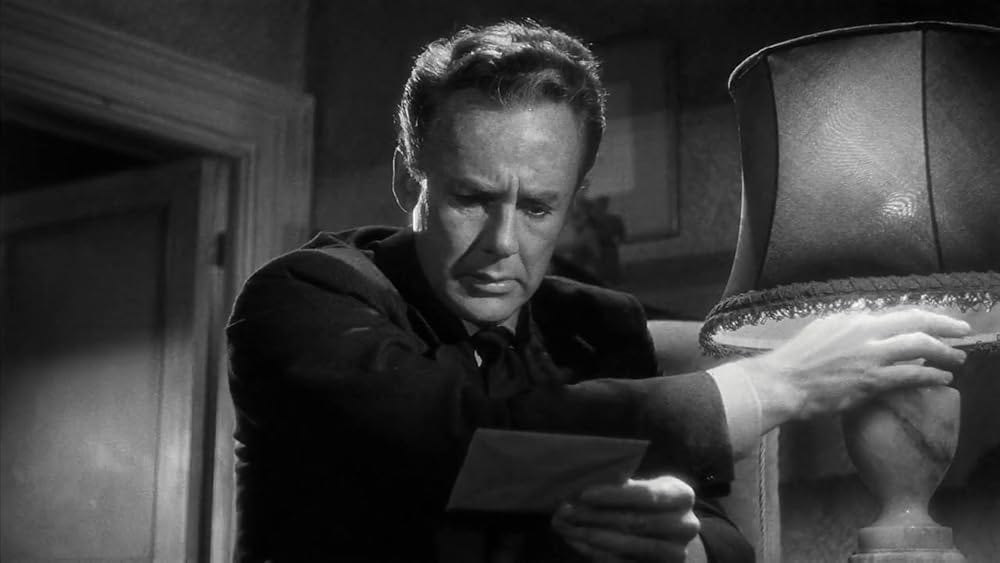
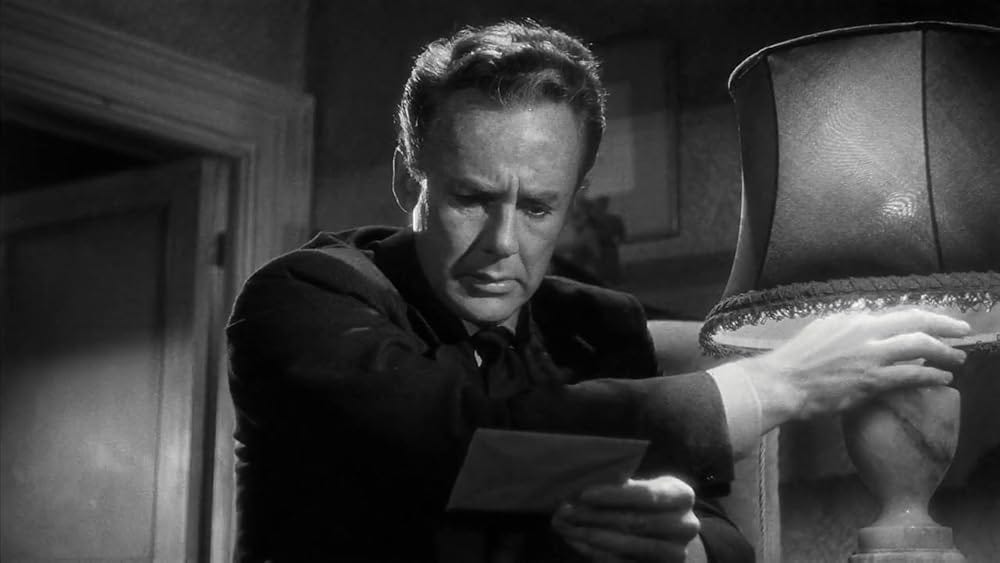
The End of the Affair - The 1955 adaptation of Graham Greene’s novel stars Deborah Kerr and Van Johnson as the two lovers, with Peter Cushing as Kerr’s husband and John Mills in a delightful supporting role as the detective Johnson hires to spy on Kerr when, after their affair is over, he becomes convinced she’s having another with someone else. Being Greene, there’s a lot of religious philosophising, which the film handles really well, and Mills’ detective provides some of the film’s other standout moments. If the film has a weakness, it’s why Kerr’s Sarah Miles suffers so much on account of her love for such a thoroughly objectionable man as Johnson’s Maurice Bendrix.
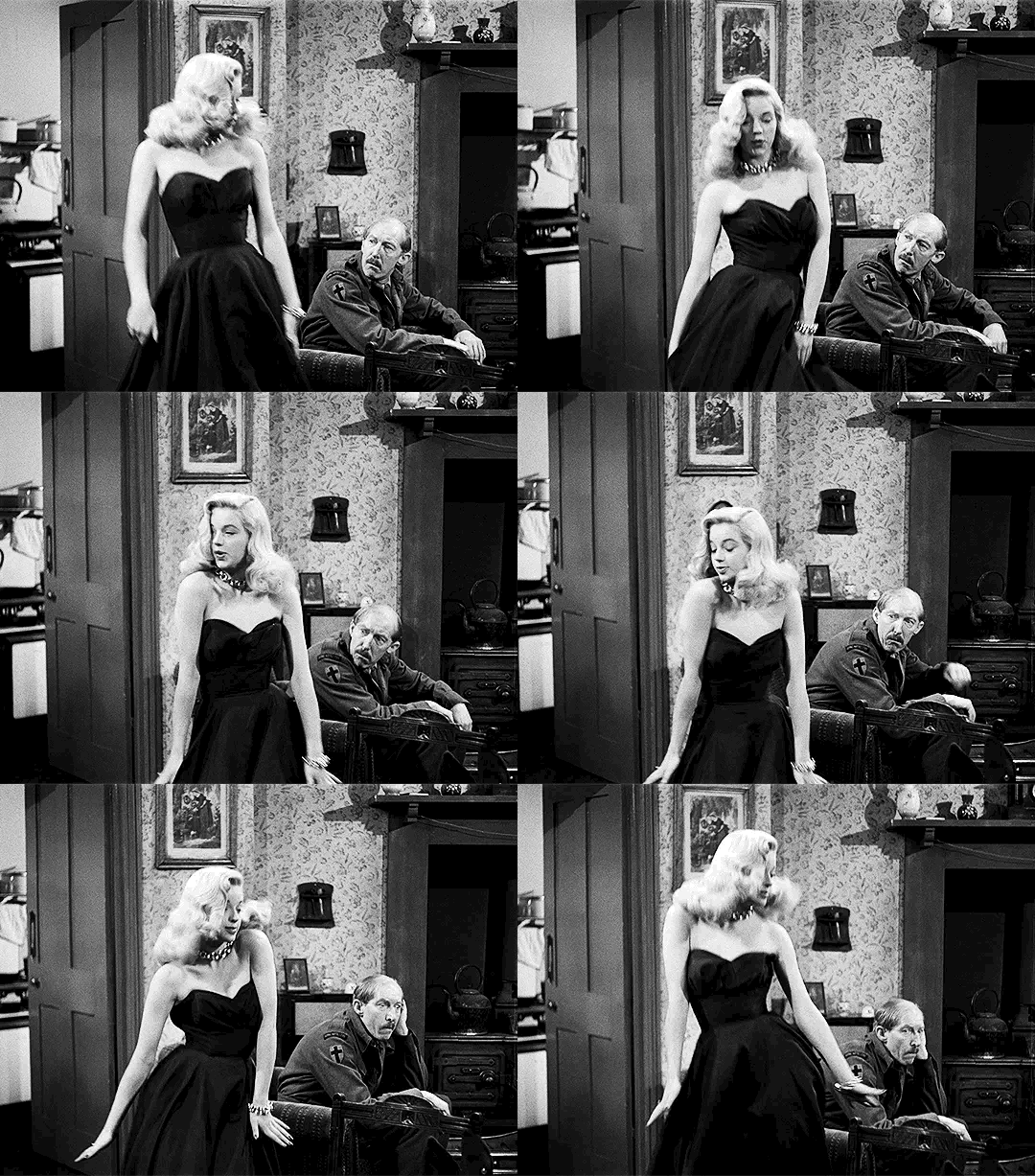
My Wife’s Lodger - A young Diana Dors is luminescent as the daughter of a soldier (Dominic Roche) home from six years overseas, who returns to find his household in thrall to the new Lodger, Roger (Leslie Dwyer). What follows is less of a movie and more a string of music-hall gags and a lot of scenery chewing from Roche, in particular. I’d hesitate to say this is any good whatsoever, but I can’t deny really enjoying it. Even in 1952, the humour must have felt dated, but what saves it is a cast who aren’t afraid to go all-in.
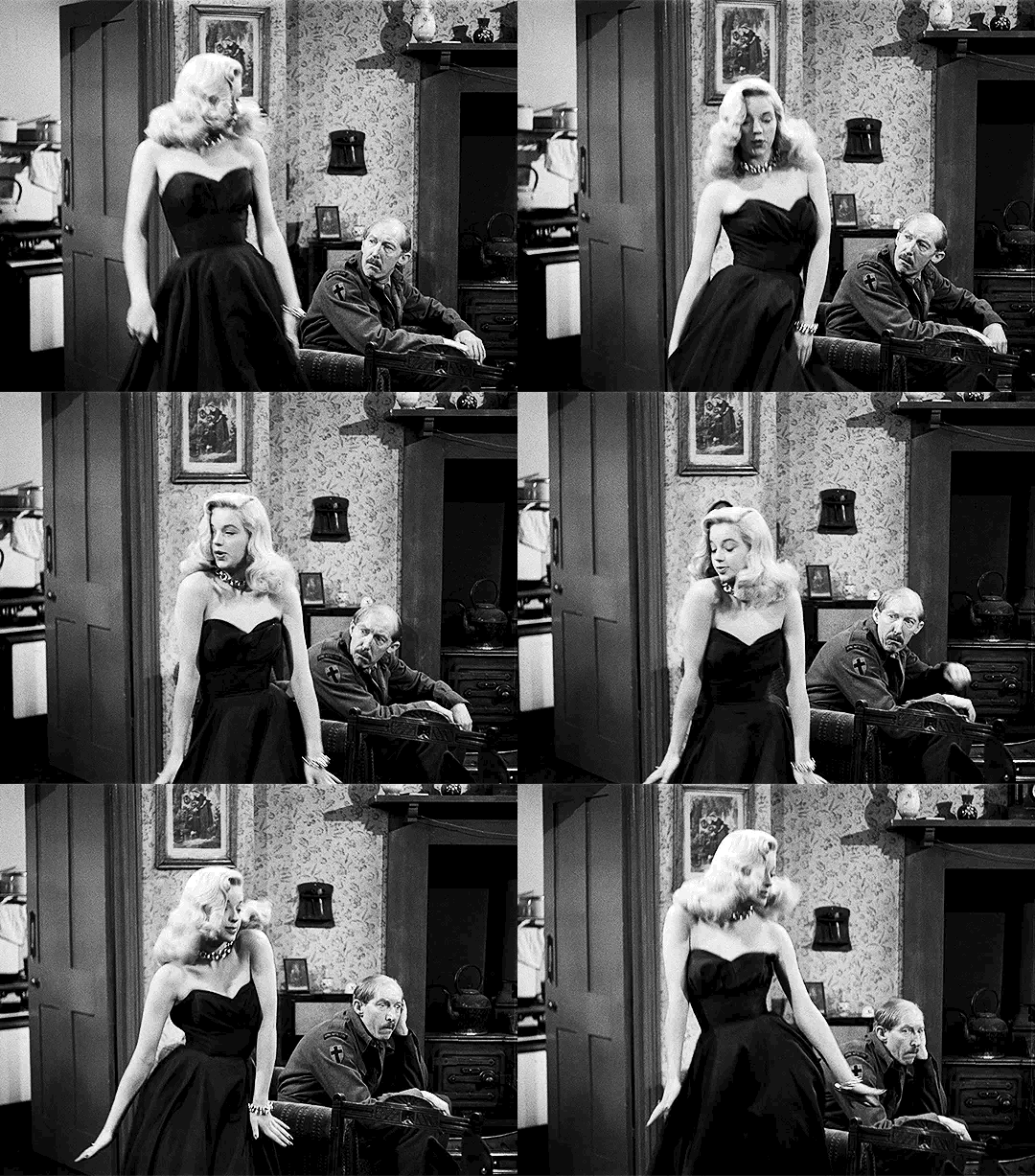
Demonstrating the jitterbug. The Phoenician Scheme - It’s impossible to overstate my love for Wes Anderson. Now, I don’t know what happened that meant I never got around to seeing The Phoenician Scheme at the cinema2, but I’m glad I’ve finally rectified it. He seems to have found a new level to operate at, and I’m wondering if it’s in part due to del Toro, whose segment was the standout in The French Dispatch, whose solid gravitas lends something other to Anderson’s natural whimsy. Cera, too, is a welcome addition to the troupe. But the key ingredient, as ever, is the ability to give his story, one that on the surface is pure silliness, an incredibly deep layer of heart.

“Me, I feel very safe.”

You can buy It’s Hard to Tell You This, Parallels, and Greyskin directly from Deixis Press. Playtime’s Over is published by Propolis. All should also be available from all the usual places, online and off.
Ray Adams’ self-published books are available from Amazon, until I get around to finding a more ethical alternative, or out of my garage.
I also review books on my website, most of which are available through my affiliate book shop on uk.bookshop.org - it’s a great alternative to certain online leviathans owned by Trump-supporting billionaires, and supports independent bookshops. Affiliates also get a % of books sold through them, so if you buy something from them, I gets paid...
Terrible title.
Ditto Lanthimos’ Kinds of Kindness, which I bought on Blu-ray at the same time as picking up TPS