

Reader first, Writer second
To beat The Man, you gotta read The Man.
IN BRIEF:
The sixth Ray Adams novel, A Sound Inhuman, is on sale!
Recorded an episode of The Good Book Life with writer / comedian Donna Scott this week. I believe it was due to be up on the YouTube channel yesterday, but I’ll admit I haven’t checked. Audio podcast version also available at them places.
Submitted a selection of original Flash Fiction to Waterland Books for an upcoming anthology, off the back of my involvement in The Sea, The Sea. Not sure whether I’ll make the cut, but if not I shall make them available elsewhere at some point. Watch this space.
ON WRITING READING:
I’ve a bookmark that I acquired from the Society of Authors1 that proclaims ‘I’m an author, so technically this is work…” It’s currently marking my place in Vincent King’s Candy Man.
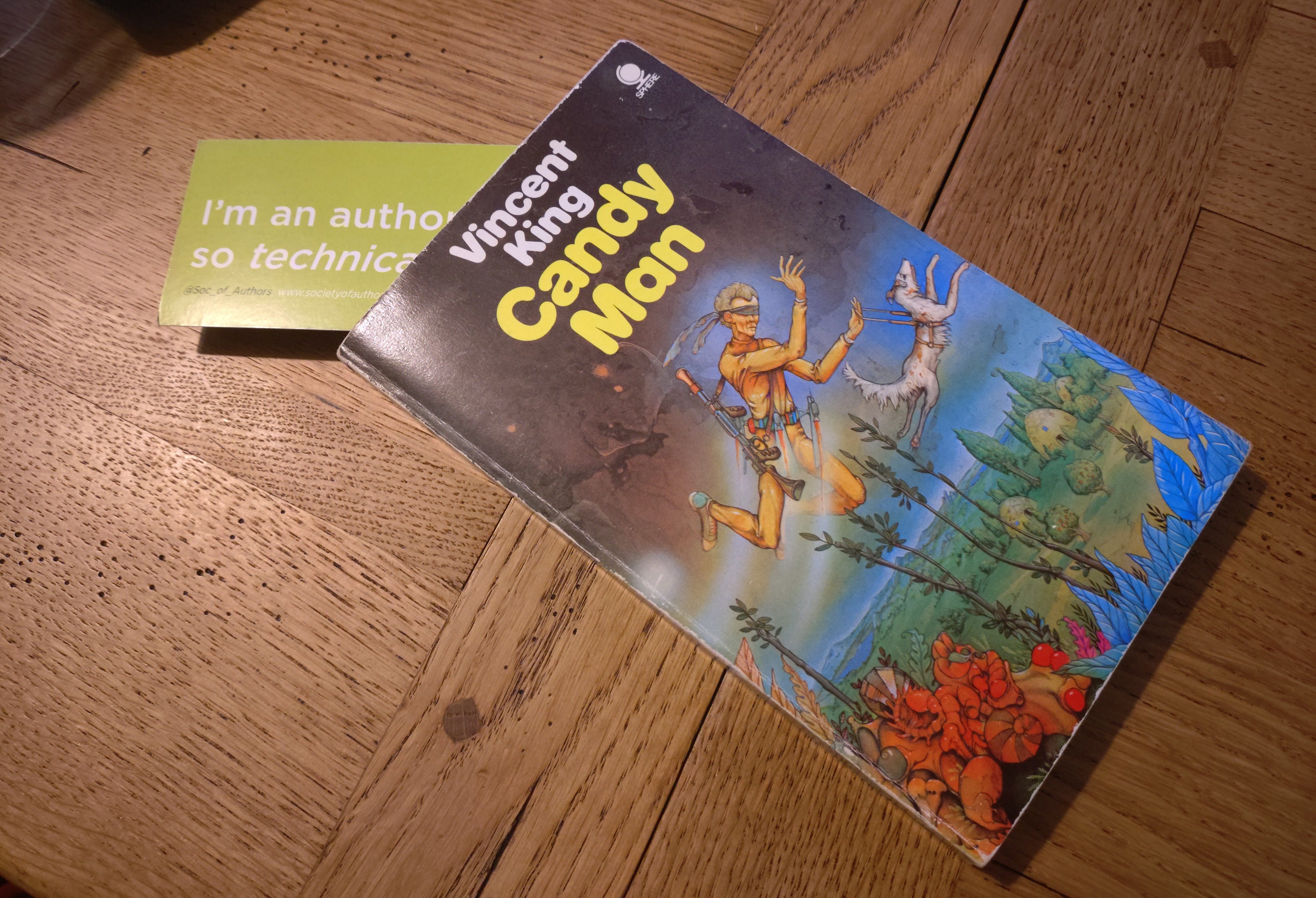
It’s a little bit of whimsy, like those slogan-y things that fun mums use to display to laugh off their alcoholism or coffee addiction, on a par with proclaiming the usefulness-but-not-necessity of having a mental health condition for your current employment. As writers will know, however, behind every piece of branded whimsy sits a little truth.
I’ve always read a lot. I don’t boast of being well-read, or that my reading is excessively special in its volume, but I do read a lot. I get it from my dad, who always has his head buried in a book when he’s not gardening or watching Midsomer Murders. As a child, I was definitely one of those ‘inside reading a book’ kids, rather than a ‘playing outside with a ball’ kids. Hence my adult reading habits and shocking non-proficiency at ball games.
As a writer, though, it goes with the territory. Now, I won’t be the first writer to tell you they love reading books. Obviously we love books, that’s why we write them. Reading is how we learn how these things work, how to structure a book, how to breathe life into characters and situations using just words. It’s how we learn what we like and what we don’t. Not that we read in order to do these things. Our motivation is, usually, just because we love it.
As I’ve stretched my legs as a writer, the reading part has changed too. I now read for more directly ‘professional’ reasons. I’ve read books to provide cover quotes; I’ve read books to review, increasingly for payment2; I’m currently reading books as part of a jury process for a long-running genre prize. The “technically” on that bookmark becomes increasingly unnecessary. And I still love doing it. I’m hugely enjoying the shortlisted books I’m currently reading. I’ve discovered some great books, and made friends with some great writers, through the reviewing. I even landed a publisher through providing a cover quote.
That networking element is no small consideration. Just this week I got an email from a publicist I’ve worked with, offering a me an advance copy of a book she’s handling at the moment. People are now sending me free books. This is a result!

There’s an assumption that when you’re a genre writer, which I guess I predominantly am, that that’s the kind of fiction you consume as a reader too. I read a fair amount of genre stuff, of course, but my reading is still wider than the kinds of stuff I write. You can learn good writing from any genre. I still aspire to the effortless skill with which Garrison Keillor can introduce a character in one or two lines, and nail it so perfectly that you just know that character, instantly. I don’t need to be a purveyor of folksy Mid-West whimsy to admire and want to emulate that. Reading translated fiction from other cultures is also hugely beneficial when it comes to trying to unshackle yourself from the narrow straits of a Western late-Capitalist worldview and narrative style. Widening your influences will always make you a better writer.
Crucially, though, I still read for fun. I always said I was glad I never did film studies or English lit. at university, as I would have hated for something I love to become a chore, or to find myself unable to enjoy a movie or a book because my study-brain kicked in and started analysing it. I was happy to keep a line between what I studied and what I did for recreation. I now wonder if that fear wasn’t a little unfounded, because reading for ‘writer reasons’ has not stopped me enjoying it. Far from it. I’m as enthused now for reading (and buying books3) as I ever have been.
I have enjoyed:
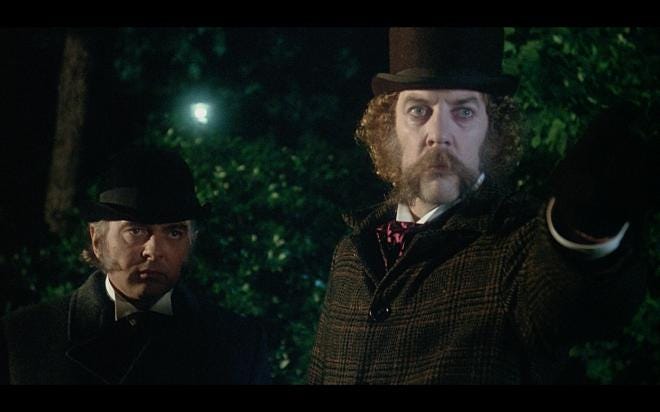
Murder by Decree (1979) - Christopher Plummer as Holmes and the magnificent James Mason as Watson go on the trail of Jack the Ripper. It’s no surprise that Holmes vs the Ripper has been the inspiration for a slew of stories, films and games - pitting Victorian England’s greatest fictional detective against it’s most notorious real-life killer is a no-brainer. Plummer and Mason are on fine form; a scene involving Dr Watson forlornly complaining about Holmes squashing his last pea is both brilliant and a sign of how much fun they’re both having. How this stands up against A Study in Terror is for the viewer to decide.
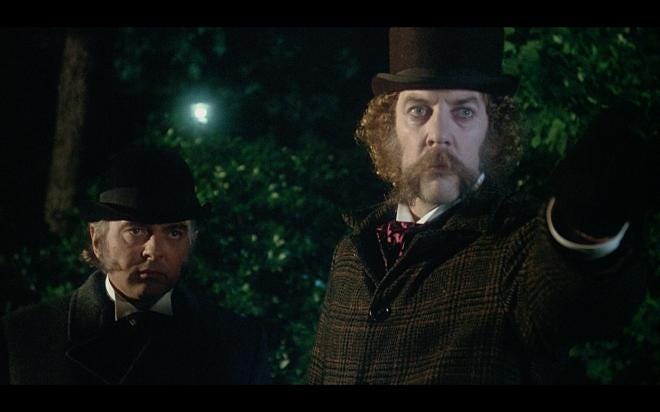
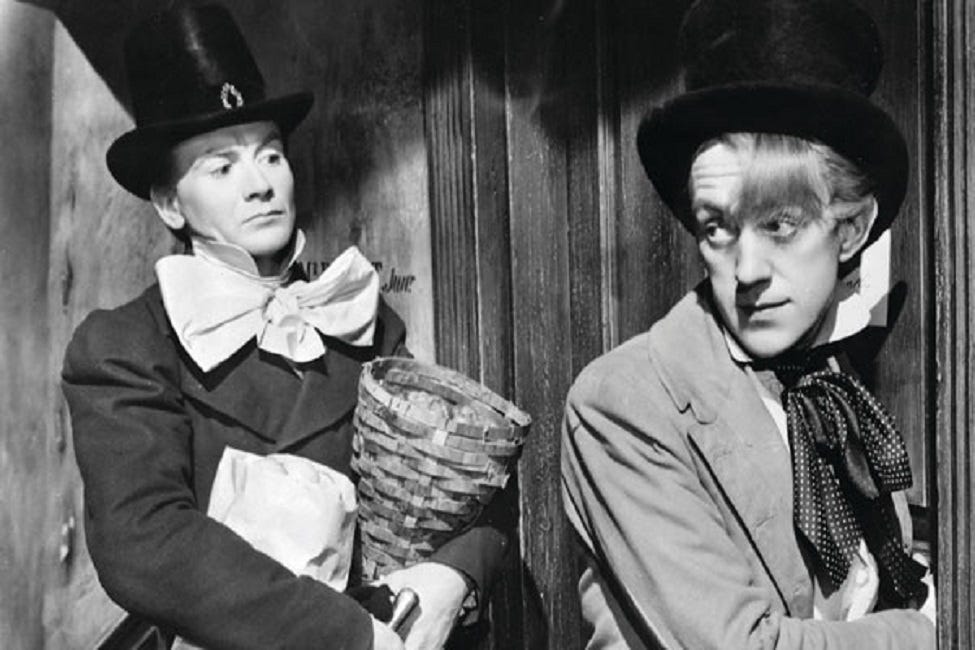
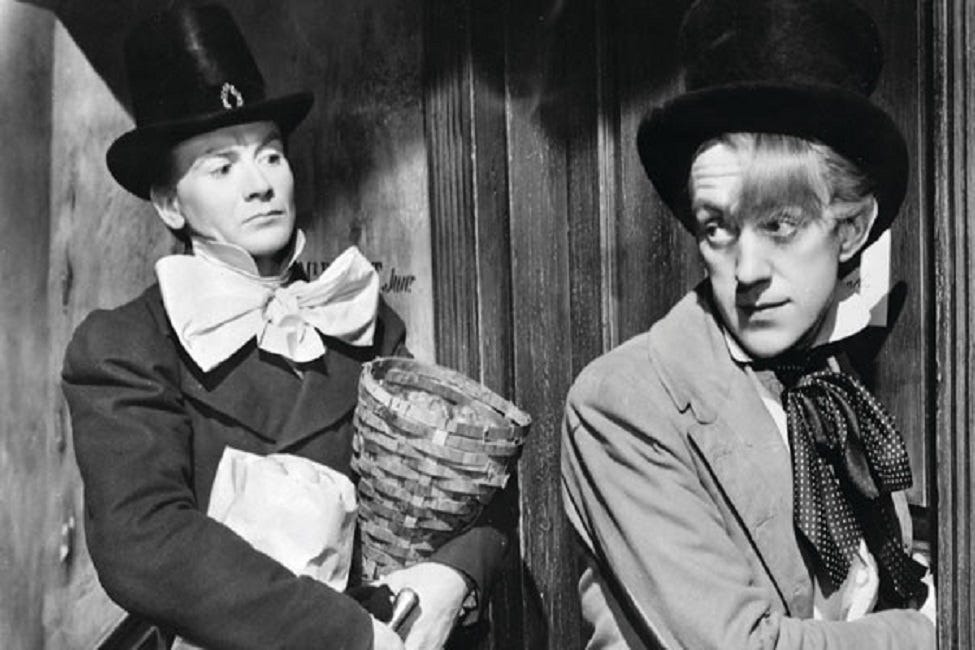
Also features a cracking cameo from Donald Sutherland as Noddy Holder. Great Expectations (1946) - The fourth adaptation of Dickens’ novel, David Leans’ is probably the most celebrated, with John Mills as Pip, Finlay Currie as Magwitch and a scene-stealing Francis L. Sullivan as Mr Jaggers. Also features a young Alec Guinness in his speaking film debut as Herbert Pocket and a very young Jean Simmons as the young Estella. It deserves its plaudits as it’s highly engaging.
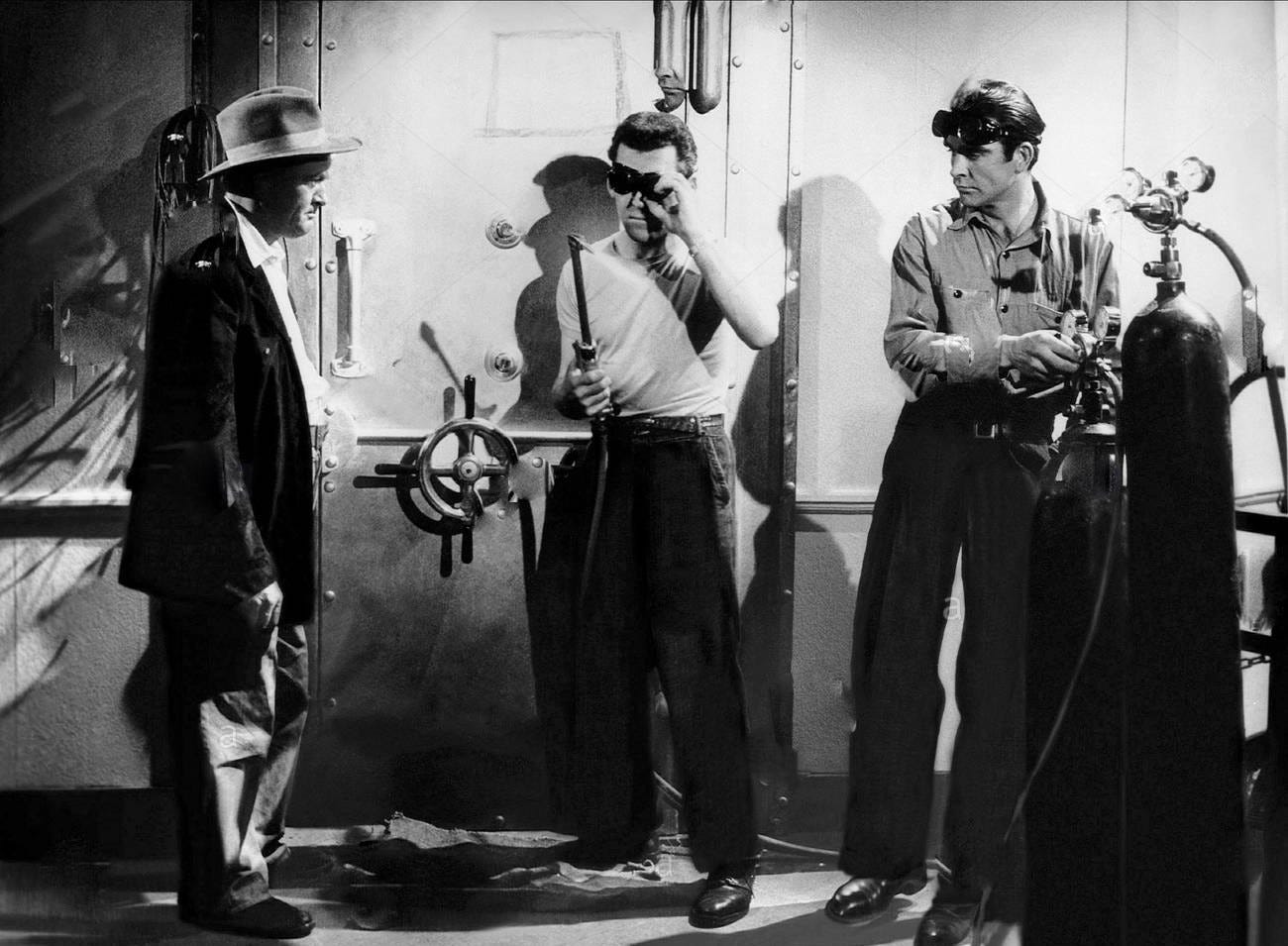
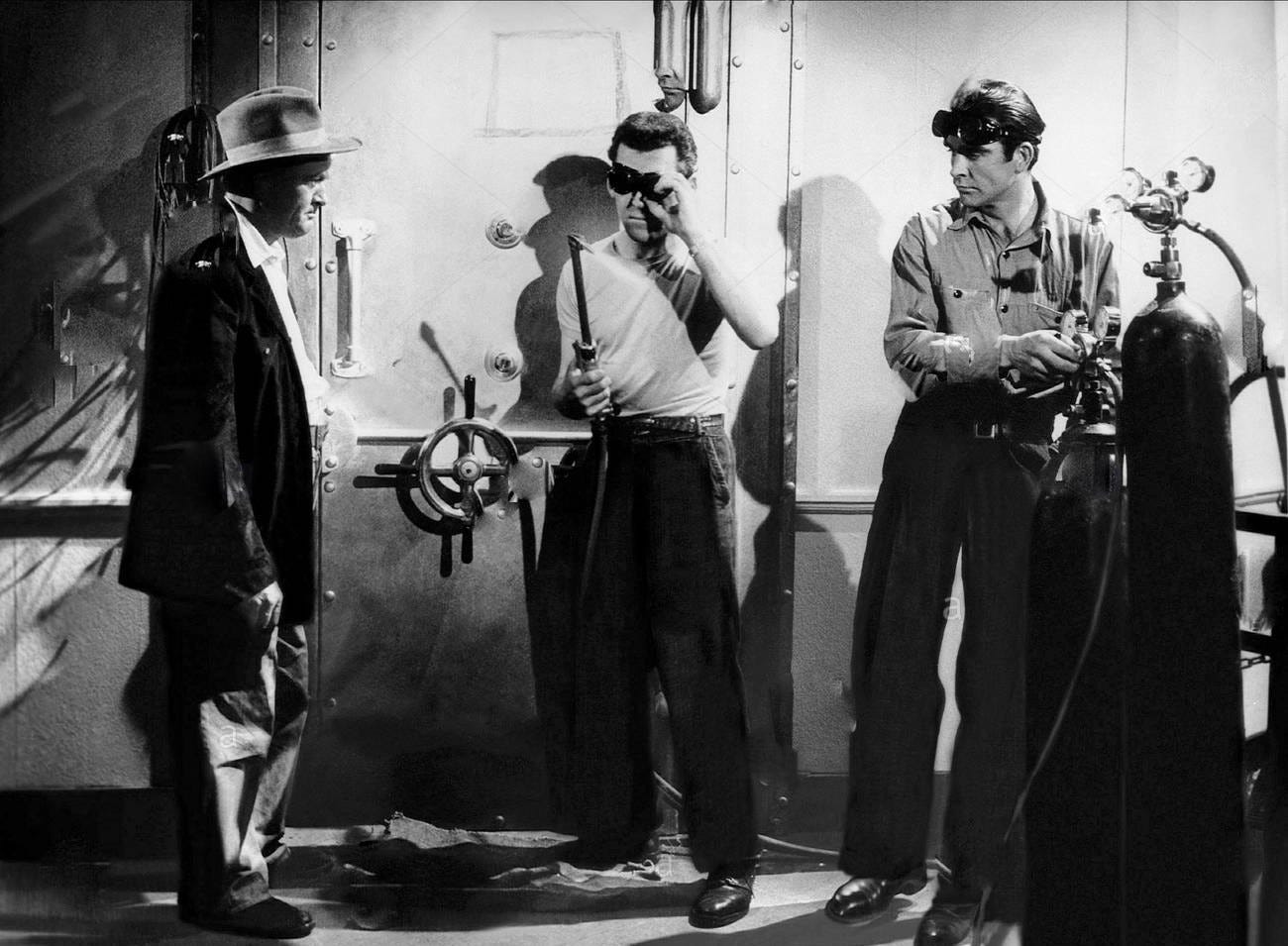
“Your enormous hat has scared them off for now. But they will soon be back—and in greater numbers...” Time Lock (1957) - Not such great acting on display in this story of a young boy trapped in a bank vault when the time lock is triggered, shutting him for 72 hours with only 10 hours of oxygen. Alan Gifford as the bank manager and Robert Beatty as the safe expert are the only two members of the cast who don’t like they’re reading their lines for the first time off a cue card. Despite that, what feels like a super-dry account of some emergency engineering is shot in such a way as to make for a gripping watch. Director Gerald ‘Carry On’ Thomas, in only his second feature, manages to create something claustrophobically tense.
“The name’s Welder. A. Welder.” Cannoli - In my ongoing quest to become a spokesman for something so I can get free stuff, a shout out to Diforti for their incredible cannoli…

Honestly, I’ll plaster my website with endorsements in exchange for a couple of boxes a month.

You can buy It’s Hard to Tell You This, Parallels, and Greyskin directly from Deixis Press. Playtime’s Over is published by Propolis. All should also be available from all the usual places, online and off.
Ray Adams’ self-published books are available from Amazon, until I get around to finding a more ethical alternative, or out of my garage.
I also review books on my website, most of which are available through my affiliate book shop on uk.bookshop.org - it’s a great alternative to certain online leviathans owned by Trump-supporting billionaires, and supports independent bookshops. Affiliates also get a % of books sold through them, so if you buy something from them, I gets paid...
Though always on the understanding that my reviews are honest. Nobody’s ever paid me for a good review. A good review means I genuinely enjoyed it - If my name’s on it, I stand by it.
Shh, don’t tell my wife.