

Let's Get Physical
Describing your characters

IN BRIEF:
Eastercon 2026 programme is live! You can find me in the Dealer Room and, from 10.30am on the Sunday (5 April), in the Balmoral Room talking libraries with Eleanor Roberts, Donna Scott, Bridget Wilkinson and Susie Williamson.
The Sea, The Sea - This beautiful collection of writing by Norfolk and Suffolk authors about the coast and the sea has been published by Waterland Books. With cover art by Claire Cansick and photographs by Stephen Hyatt-Cross, I was delighted to be asked if the first chapter of my debut Playtime’s Over could be included. A great honour, and it’s a gorgeous book.
ON WRITING:
Physical descriptions of characters. It’s a tricky one. I’ve had one friend point out to me that I’m really stingy with my physical descriptions, especially of characters, and I guess at least part of that is I’m wary of falling into certain traps.
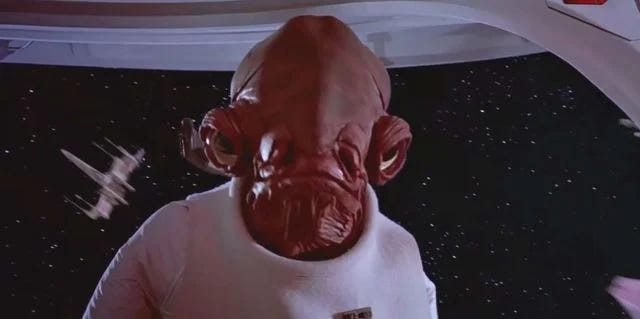
Over the past few years I’ve read a number of self-published books, as a reviewer on Reedsy, and it’s fair to say that the quality can vary. One book comes to mind1 where every single character, upon introduction, has their hairstyle described. Even one-line background characters. Every. Single. One. The book itself was pretty decent, enjoyable enough, but this one thing really started jumping out of the page at you after a while. It became a distraction.
More insidiously, I’m sure we’re all aware of male authors who find it impossible to bring a female character onto the page without describing her breasts. It’s a tic that’s inspired many jokes around ‘What if female authors described male characters in the same way’. I’m sure I could be docked feminist points for many things, but I can at least say my female character Wiktoria has been a central part of the team in three Ray Adams novels now, and I’ve never once considered her bust-size. And let’s not even start on things like skin-colour or eye-shape…
But in steering away from those pitfalls, we can go too far in the other direction. After all, description does serve a purpose. We are, when all’s said and done, a very visual species. We rely on our vision disproportionately compared to a lot of other animals, so there’s a reason why good description in literature resonates with readers.
They are the hooks on which we hang our characters. Lukasz, the current main protagonist of my Ray Adams books, is always described as having a long-at-the-back, short-on-top haircut, and a ratty moustache. It’s creates an image, and even points some way to his character. Interestingly, it can also be used if I want to introduce him without naming him, in a way that winks at the reader; perhaps if he’s in disguise for some reason. The specific nature of the description is a flag, a trigger to the reader’s memory. I think back to those classic Target Doctor Who novelisations where each incarnation of the Doctor was always described with a specific phrase, so it could be used to introduce him, namelessly, to the story in such a way that you knew not only that it was the Doctor, but also which Doctor it was.
I’ve recently been a beta-reader for a friend’s new book and, I hope they won’t mind me relaying this, we had a conversation afterwards about this issue. They, much like myself, are not prone to giving much away in terms of physical description. By their own admission, it’s not something they’ve given a lot of thought to. They do, however, work with a sizeable cast of characters and I suggested that those characters one might see as second-tier - the ones who only show up every now and then, and which might cause a reader to pause while they remind themselves who that name refers to - are the characters who could benefit from a physical ‘hook’ we can use to jog the reader’s memory.

It shouldn’t be lengthy; nothing jars more than extensive unnecessary detail. But if a second-tier character is identified with a particular trait, whether they’re taller than average, or a bit overweight, or maybe they fidget or have a wart on their chin, then we can drop that in, just a few times, and it can be the extra detail that ties that name to that character. Especially useful if, as discussed a few weeks ago, we’re using difficult, unfamiliar or similar names. Our main protagonists might get by without it; their character, their personality will be more fully defined, and they’re never off the page long enough to forget. Those background figures, however, could always do with a lift.
Some of us, of course, will delight in description, will have a gift for it, and can paint a picture with words that creates an indelible image in the mind. But we all write differently and sometimes it’s good to look at the things we don’t do, re-examine their purpose, see them as something more than (just) flavour2, and really think about the specific benefits, what it can do for our story. It doesn’t have to be something we spend a lot of time on, if it doesn’t come naturally to us, but anything that keeps the reader reading on, rather than flicking back, is a good thing.
I have enjoyed:
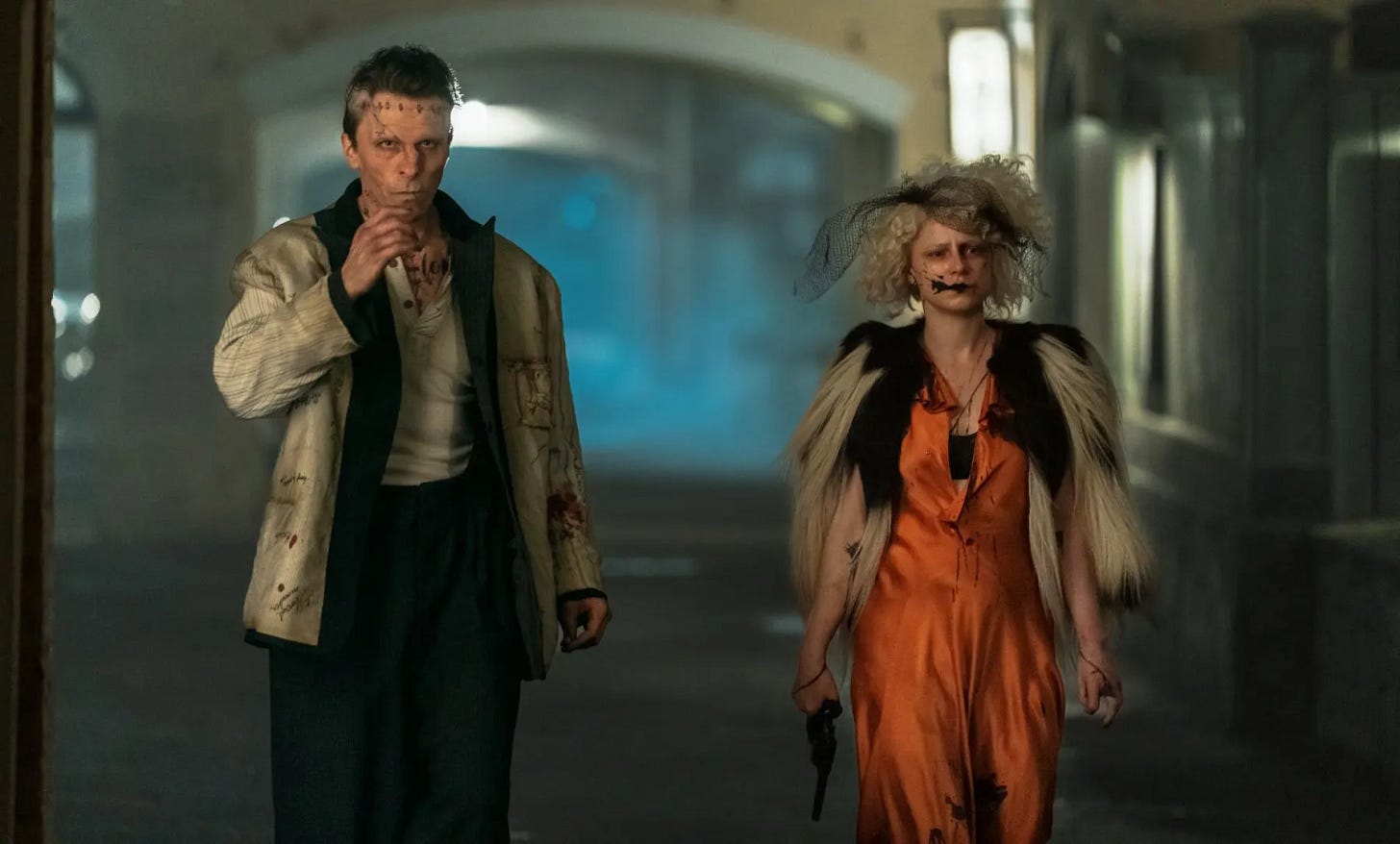
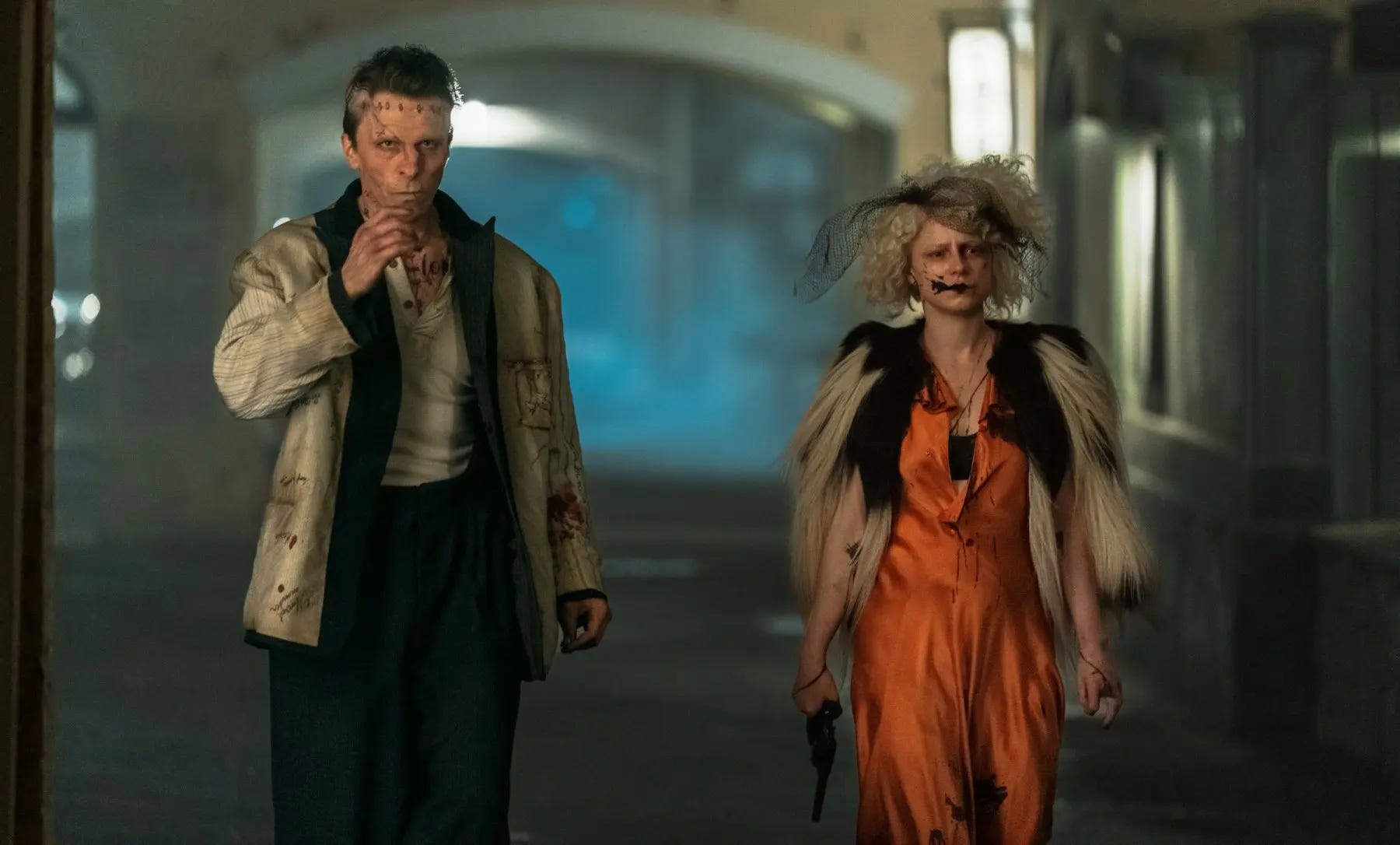
The Bride! - For someone who loves films, I don’t get to the cinema nearly as often as I would like. Got to see this beauty though. Maggie Gyllenhaal takes the director’s chair for this 30s-set Bonnie & Clyde-esque romp that unfolds when Mary Shelley’s ghost possesses a gangster’s moll who’s abruptly killed and then reanimated as a companion for Frankenstein’s Monster. Christian Bale has rarely, in my opinion, been this flat-out enjoyable but merely shines in the reflective glow of Jessie Buckley’s incendiary turn as The Bride. Bold, provocative film-making that’s also hugely enjoyable.
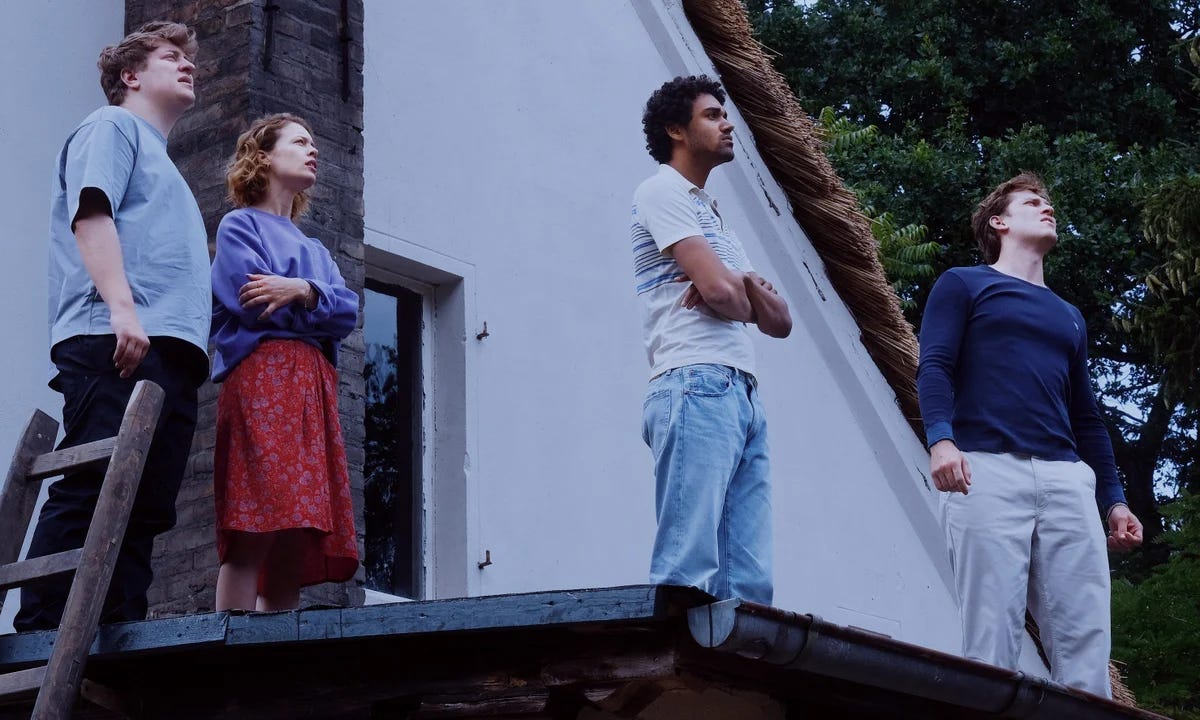
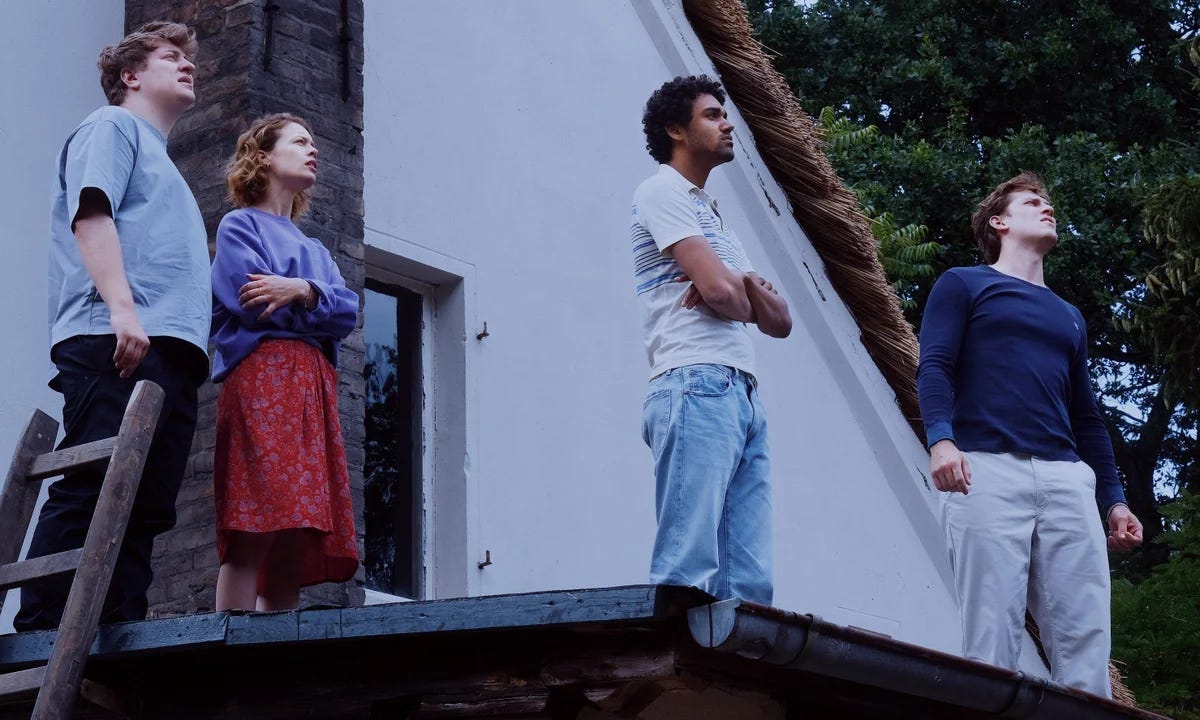
“You’ve got… just on your… nevermind…” Afire - Pompous, up-himself author alert!3 Leon (Thomas Schubert) is staying in his friend Felix’s family’s summer house as a quiet retreat in which to finish his book. Felix is supposed to be finishing his photography portfolio, but is more interested in swimming, and to complicate things further, when they arrive they find the house already occupied by Nadja, another family friend. It’s all sexual and literary frustration for Leon, against a backdrop of forest wildfires. Schubert’s performance is superb, always straddling the line between sympathetic and just plain awful, with a radiant Paula Beer as Nadja.
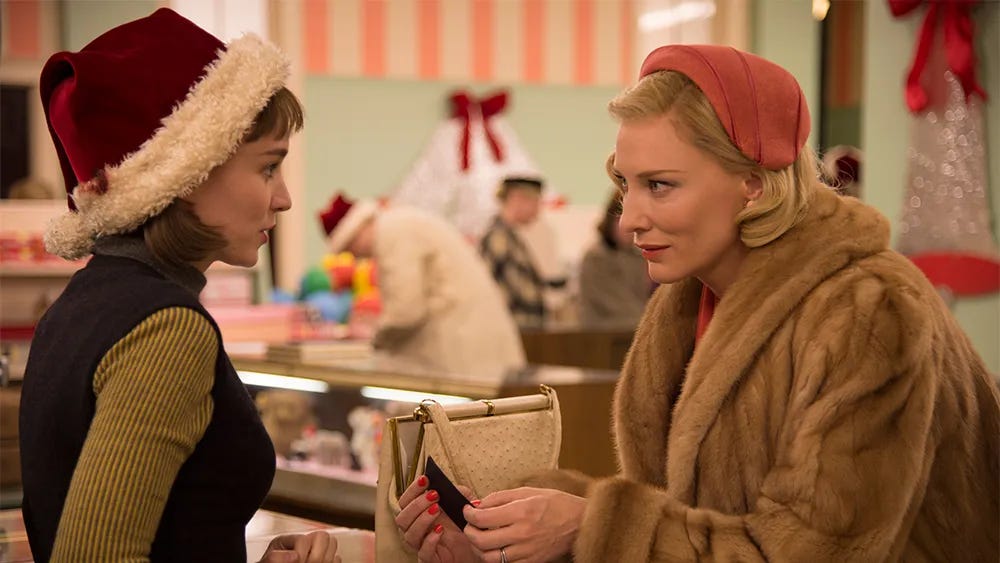
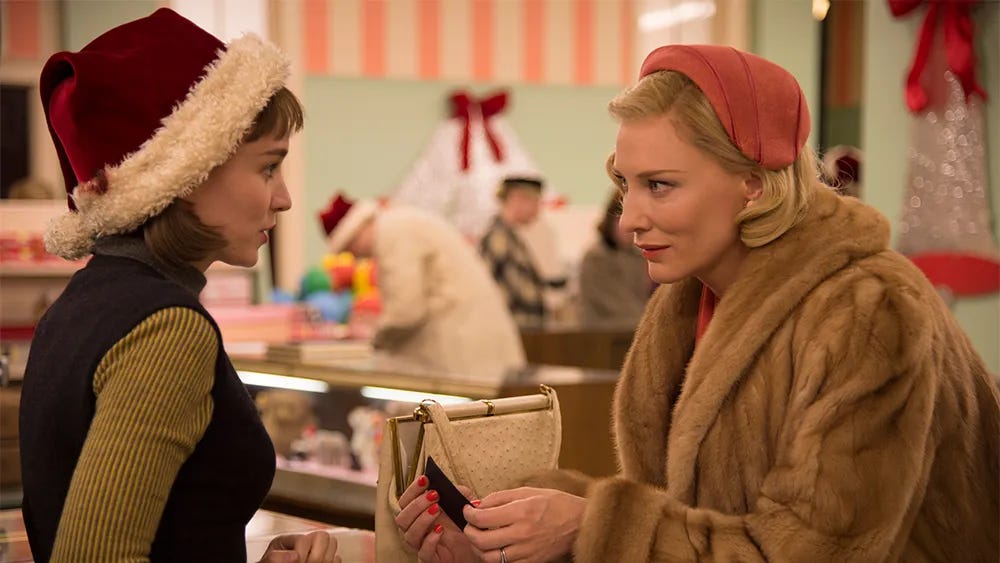
“I don’t know, guys, but I don’t think we’re getting our ball back…” Carol - Todd Haynes’ adaptation of Patricia Highsmith’s The Price of Salt showcases another strong pair of female leads; Cate Blanchett as the titular Carol and Rooney Mara as Therese, the young shop assistant swept off her feet by the glamourous, older woman. There are, perhaps, certain beats and themes you might expect in a 50s-set movie about forbidden love and, indeed, Carol is married and stuck between the reality of who she is and the societal expectations of her gender. The result is a film that won’t necessarily subvert your expectations or deliver much in the way of surprises, but does more than hold the attention through the excellence of cast, script and direction.
“Easter Eggs? Certainly, Madam, right over there.” Sam Kieth - Sad news this week as it was announced that Maxx and Zero Girl creator Sam Kieth has passed away at the age of 63, of complications from Lewy body dementia. I was a huge fan of Ojo and My Inner Bimbo, two astonishing titles that Kieth put out with Oni Press in the mid-2000s, but also enjoyed his occasional work on mainstream titles such as his Batman work. A distinctive artist and a complex writer, his was a unique voice and while I don’t pretend to be an expert on his work in general, what I have read always made a mark.
You can buy It’s Hard to Tell You This, Parallels, and Greyskin directly from Deixis Press. Playtime’s Over is published by Propolis. All should also be available from all the usual places, online and off.
Ray Adams’ self-published books are available from Amazon, until I get around to finding a more ethical alternative, or out of my garage.
I also review books on my website, most of which are available through my affiliate book shop on uk.bookshop.org - it’s a great alternative to certain online leviathans owned by Trump-supporting billionaires, and supports independent bookshops. Affiliates also get a % of books sold through them, so if you buy something from them, I gets paid...
And in fact, I’ve read two of this author’s titles and it’s a feature of both books.
Of course, there’s no ‘just’ about it, flavour is hugely important in setting mood and creating a world your reader can escape to.
No, not me.
You might be pleased to know that one nameless character has moved from "the man" to "the red-haired man". 😇
I am still mulling over the two you suggested. Almost trying to find a distinctive feature I could use whenever they are mentioned, and does not contradict anything I wrote in the other books in the series.